



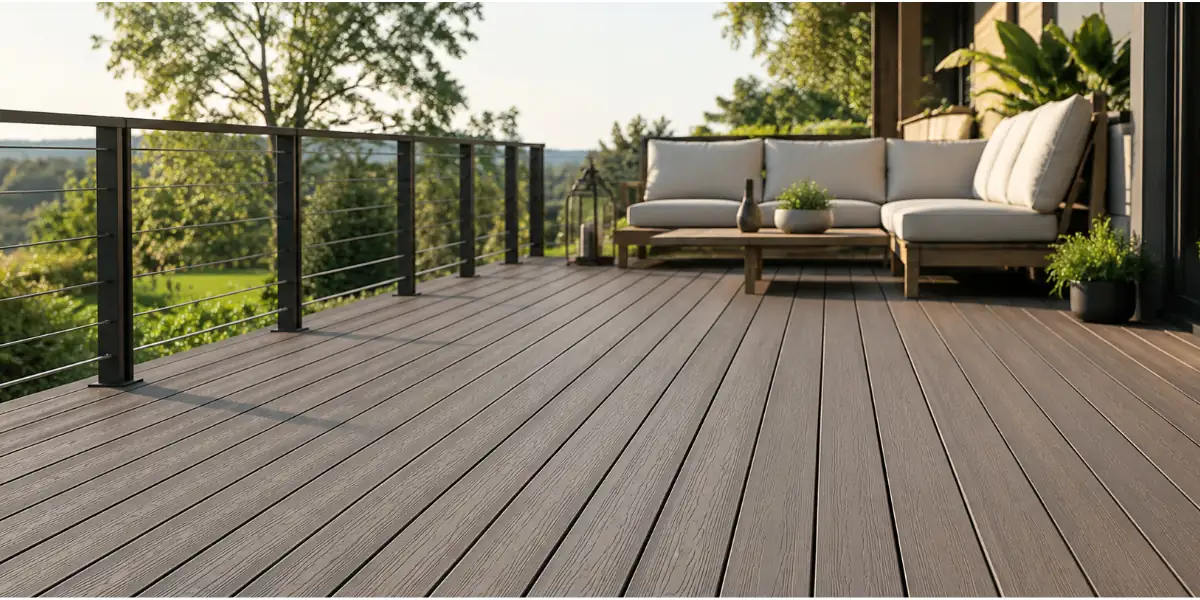
If you plan to create a relaxed and comfortable outdoor living area, decking stands as the most essential component of your outdoor space. However, there is a vast array of decking materials available to choose from, leaving many people wondering which option works best. This guide will take an in-depth look at one of the most popular outdoor decking products on the market today: WPC decking (Wood-Plastic Composite decking).
What Is WPC Decking?
Typical composition includes:
| Material | Percentage |
|---|---|
| Wood Fiber | 50–70% |
| HDPE or PVC Plastic | 25–40% |
| Additives (UV stabilizers, pigments, lubricants) | 5–10% |
The result is a decking board that delivers both beauty and long service life with minimal maintenance.
Types of WPC Decking
Hollow Style
Advantages
- Lightweight
- Lower cost
- Easier installation
- Suitable for residential use
Best Applications
- Garden decking
- Backyard patios
- Balconies
The two most prevalent hollow variants available on the mainstream market are square hollow and round hollow styles.
Solid Style
Advantages
- Higher load-bearing capacity
- Better impact resistance
- Longer service life
- Premium appearance
Best Applications
- Commercial projects
- Public parks
- Boardwalks
- Hotels
- Resorts
Co-Extrusion Style
The latest generation of composite decking features a protective polymer shield surrounding the core.
Benefits include:
- Superior stain resistance
- Better UV protection
- Scratch resistance
- Enhanced color stability
- Easier cleaning
This type is becoming increasingly popular in Europe and North America.
Advantages of WPC Decking
1. Excellent Weather Resistance
Unlike traditional timber, the composite material performs well under:
- Rain
- Snow
- High humidity
- Strong sunlight
It is less likely to warp or crack due to weather changes.
2. Low Maintenance
Natural wood requires:
- Painting
- Sealing
- Sanding
- Annual maintenance
Our decking only requires occasional cleaning with water and mild detergent.
3. Long Service Life
Made from composite blended materials, it features an extremely long service life. It resists deformation and fading effectively, and can well prevent stains and mildew growth.
High-quality products typically last:
- 20–30 years in residential applications
- 15–25 years in commercial projects
4. Eco-Friendly Material
Many manufacturers use:
- Recycled wood fibers
- Recycled plastics
This reduces waste and helps conserve natural timber resources.
5. Resistant to Rot and Insects
Unlike natural wood, our composite boards are highly resistant to:
- Termites
- Mold
- Rot
- Fungus
6. Slip Resistance
Most planks feature embossed anti-slip surfaces, making them ideal for:
- Swimming pools
- Walkways
- Outdoor stairs
- Rooftops
7. Attractive Appearance
Modern embossing technology creates realistic:
- Oak grain
- Teak grain
- Walnut grain
- Cedar grain
Many colors are also available.
Disadvantages of WPC Decking
Although the composite material offers many benefits, there are some limitations.
| Disadvantage | Explanation |
|---|---|
| Higher initial cost | More expensive than pressure-treated wood |
| Thermal expansion | Requires proper expansion gaps during installation |
| Heavy weight | Solid boards weigh more than timber |
| Cannot be refinished | Unlike wood, sanding cannot restore deep damage |
Proper installation minimizes most of these concerns.
WPC Decking vs Traditional Wood Decking
| Feature | Composite Decking | Wood Decking |
|---|---|---|
| Maintenance | Low | High |
| Lifespan | 20–30 Years | 10–20 Years |
| Water Resistance | Excellent | Moderate |
| Termite Resistance | Excellent | Poor |
| Splinter-Free | Yes | No |
| Painting Required | No | Yes |
| Color Stability | High | Moderate |
| Installation Cost | Moderate | Moderate |
For long-term outdoor performance, composite decking generally offers better value over its lifecycle.
Common Applications of WPC Decking
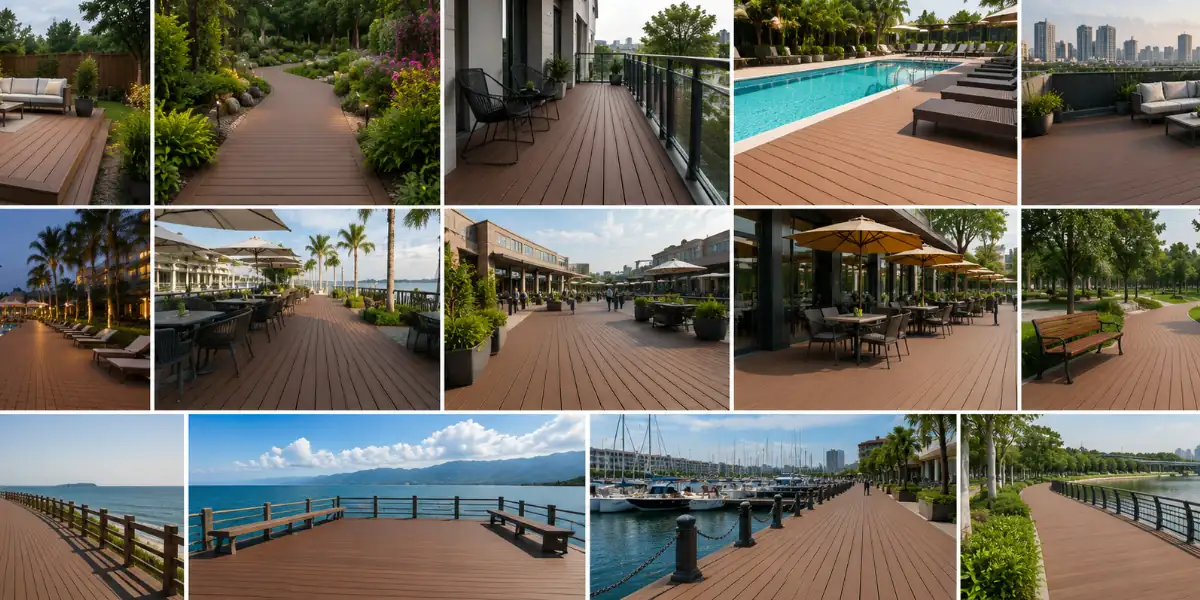
It is widely used in both residential and commercial projects.
Residential
- Backyard decks
- Garden pathways
- Balconies
- Pool surrounds
- Rooftop terraces
Commercial
- Hotels
- Resorts
- Restaurants
- Shopping centers
- Outdoor cafés
- Public parks
Public Infrastructure
- Boardwalks
- Scenic viewing platforms
- Marina walkways
- Riverside paths
How to Maintain WPC Decking
Maintenance is simple:
- Sweep away leaves and dirt regularly.
- Wash with water and mild soap.
- Avoid harsh chemical cleaners.
- Remove standing water when possible.
- Clean stains promptly.
No painting, staining, or sealing is required.
How to Choose Quality WPC Decking
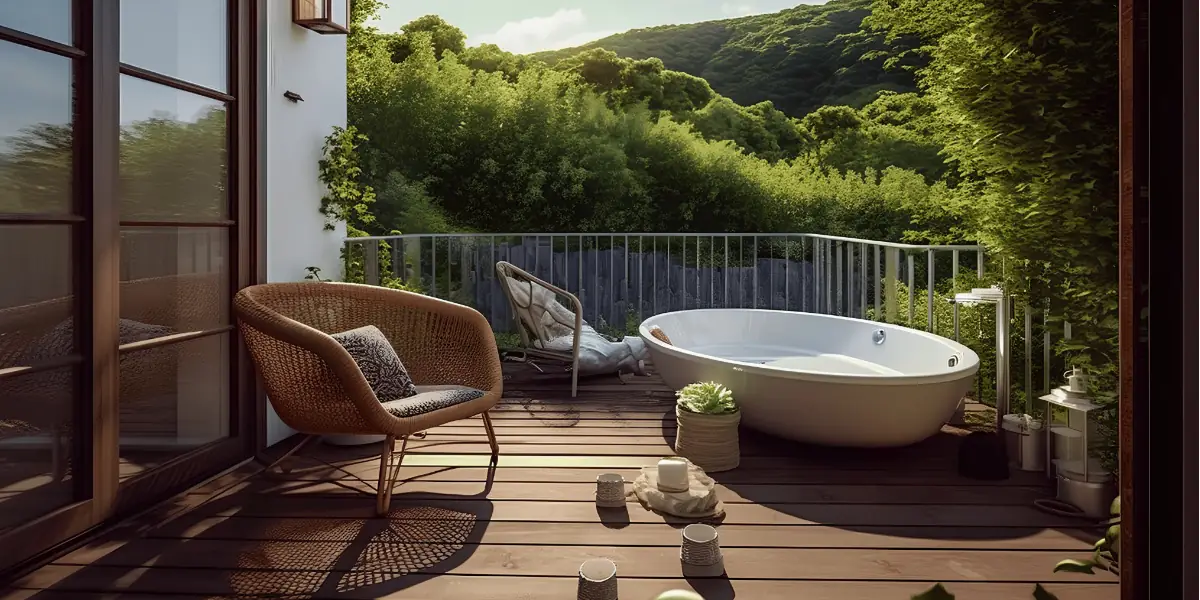
When purchasing composite outdoor flooring, consider the following factors.
Material Quality
Look for products made with:
- High-quality wood fibers
- Virgin or premium recycled HDPE
- UV-resistant additives
Surface Technology
Co-extrusion technology provides:
- Better scratch resistance
- Improved weather resistance
- Easier cleaning
Density
Higher-density boards generally offer:
- Better strength
- Greater impact resistance
- Longer lifespan
Certifications
Reliable manufacturers may provide:
- ISO 9001
- CE
- FSC (for wood sourcing)
- SGS testing reports
Warranty
Choose products backed by warranties of 15–25 years, reflecting the manufacturer’s confidence in long-term durability.
Conclusion
WPC decking has transformed outdoor construction by offering the natural appearance of wood combined with the durability of engineered composite materials. Compared with traditional timber decking, it delivers superior weather resistance, low maintenance, long service life, and outstanding aesthetic appeal.
Whether you’re building a residential patio, a commercial terrace, or a public boardwalk, composite flooring provides a practical, sustainable, and cost-effective solution for modern outdoor spaces.
Looking for a reliable manufacturer? Contact Chili New Materials today to explore our full range of composite decking solutions and receive expert support for your next project.