


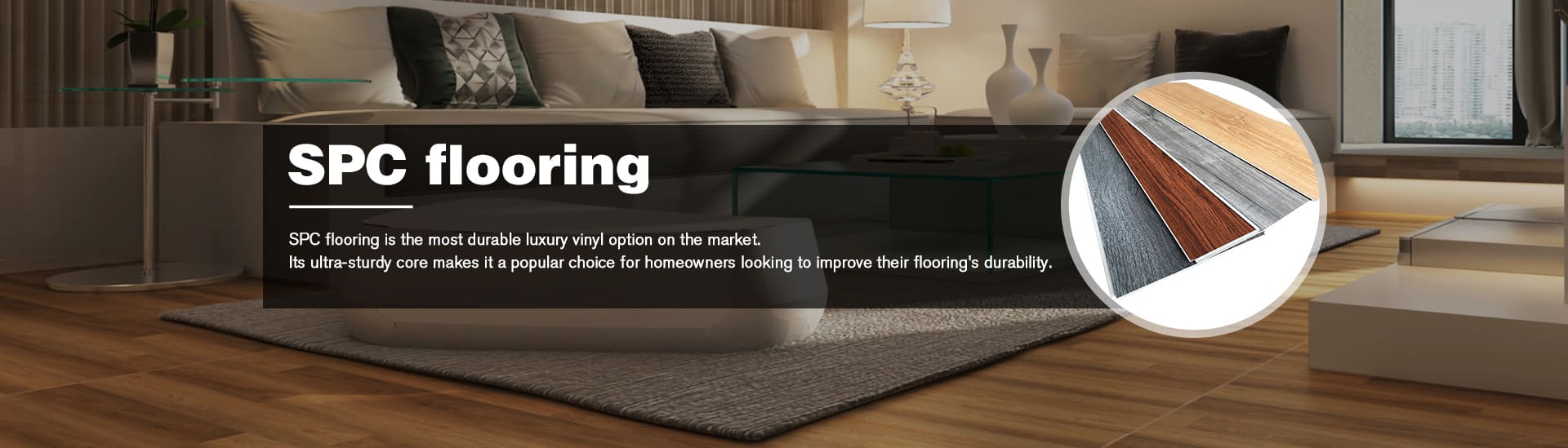

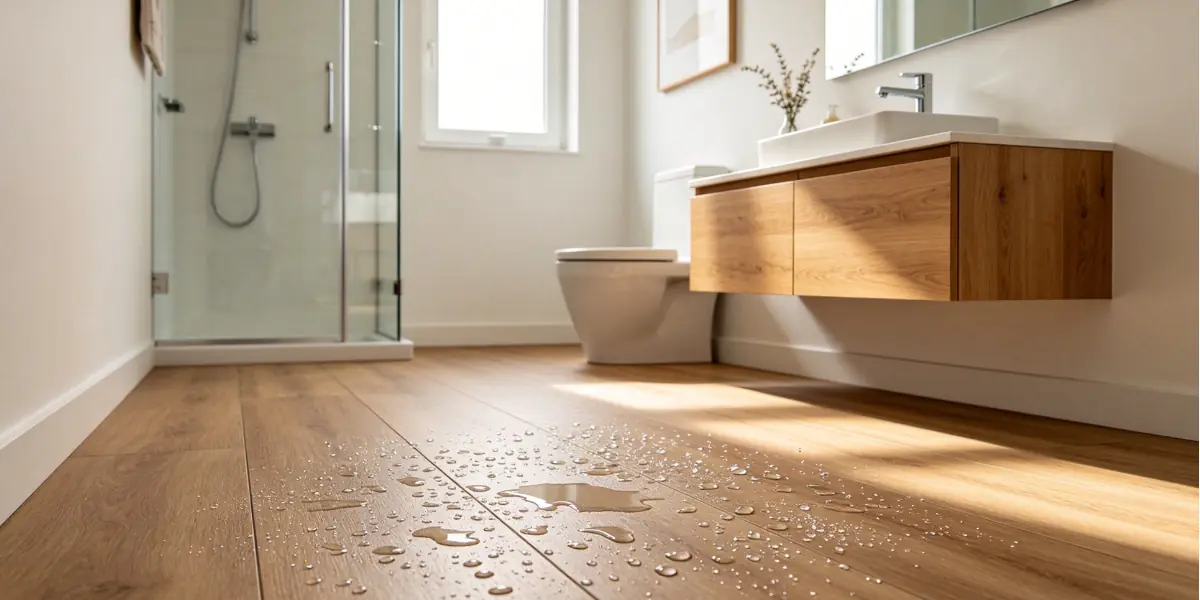
One of the major advantages of SPC flooring is its waterproof performance, making it a popular flooring choice for residential, commercial, and renovation projects. But can waterproof SPC flooring really be used in bathrooms?
The answer is yes. With its robust, waterproof core, ease of maintenance, and excellent dimensional stability, SPC flooring is an ideal solution for many bathroom applications. However, waterproof flooring itself does not guarantee a completely leak-proof bathroom floor.
For importers, distributors, contractors, and project buyers, understanding the difference between the inherent waterproof perfaormance of the flooring and the overall installation is crucial before choosing SPC flooring for bathrooms.
What Makes SPC Flooring Waterproof?
SPC stands for Stone Plastic Composite. Unlike traditional wood-based flooring, SPC flooring uses a rigid core made primarily from mineral filler and PVC resin.
A typical SPC flooring structure includes:
- Wear layer: Protects the decorative surface from daily wear and scratches.
- Decorative layer: Provides wood, stone, marble, or other visual effects.
- SPC rigid core: Provides rigidity, dimensional stability, and strong moisture resistance.
- Backing layer: Helps improve stability and installation performance.
The SPC core has very low water absorption compared with many wood-based flooring materials. As a result, waterproof SPC flooring can generally withstand bathroom humidity, water splashes, and occasional moisture without the swelling commonly associated with natural wood or some wood-based flooring products.
However, the flooring plank itself is only one part of the system.
Can SPC Flooring Be Used in Bathrooms?
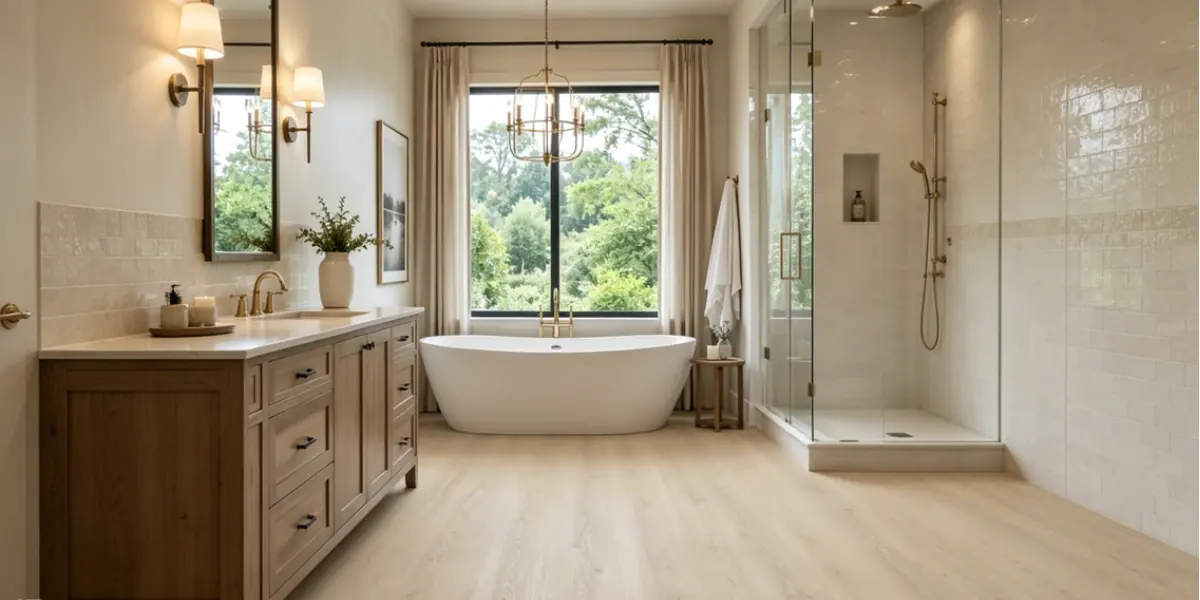
Yes, SPC flooring can be used in bathrooms, provided the product is suitable for the intended application and installed correctly.
It is commonly considered for:
- Residential bathrooms
- Guest bathrooms
- Apartment bathrooms
- Hotel bathrooms
- Commercial washrooms
- Office washrooms
- Other indoor areas with relatively high humidity
SPC is particularly attractive for projects where buyers want a flooring solution that combines water resistance, durability, easy installation, and modern appearance.
However, areas exposed to continuous direct water, such as certain shower floors, require additional consideration. Always check the manufacturer’s application recommendations and local building requirements before using SPC in these areas.
Why Is SPC Flooring Suitable for Bathrooms?
1. Excellent Moisture Resistance
One of the biggest advantages of SPC flooring is its resistance to moisture.
The rigid SPC core does not absorb water in the same way as traditional wood flooring. This makes it less likely to swell or deform when exposed to normal bathroom moisture.
For areas such as bathroom floors, where occasional splashes and humidity are unavoidable, this can provide a practical advantage.
In addition, one of the most compelling reasons to install SPC flooring in bathrooms is its exceptional underfoot comfort for bare‑foot walking.
2. Good Dimensional Stability
Bathrooms can experience changes in humidity and temperature throughout the day.
The rigid core of SPC flooring provides good dimensional stability under normal indoor conditions. This helps the flooring maintain its shape and reduces concerns associated with moisture-related expansion and contraction.
3. Easy to Clean and Maintain
Bathroom floors need regular cleaning. The relatively non-porous surface of SPC flooring makes routine maintenance straightforward.
Dust, dirt, and common household spills can generally be removed using normal cleaning methods recommended by the manufacturer.
This makes bathroom SPC flooring an attractive option for residential and commercial projects where easy maintenance is important.
4. Wide Range of Designs
SPC flooring is not limited to one appearance.
Manufacturers can produce designs that imitate:
- Oak
- Walnut
- Teak
- Marble
- Stone
- Concrete
- Other modern decorative patterns
This allows designers to achieve a natural wood or stone appearance while using a rigid flooring material with strong moisture resistance.
5. Fast and Convenient Installation
Many SPC flooring products feature click-lock systems that allow planks to be installed relatively quickly.
For renovation projects, this can help reduce installation time and labor requirements compared with some traditional flooring systems.
Is Waterproof SPC Flooring Completely Waterproof?
This is an important distinction for buyers.
The SPC flooring itself can have excellent waterproof performance, but the complete flooring system is not automatically waterproof.
Water may still enter through:
- Gaps between planks
- Poorly connected joints
- Unsealed edges
- Pipe penetrations
- Door thresholds
- Damaged flooring
- Improperly prepared subfloors
Therefore, simply choosing a waterproof SPC product does not eliminate the need for proper bathroom waterproofing and installation.
It is best to seal all edges with waterproof silicone sealant to stop moisture from seeping in.
A good bathroom flooring system should combine water-resistant flooring + proper installation + suitable subfloor protection + effective drainage.
SPC Flooring for Bathrooms: What About Shower Areas?
A bathroom floor and a shower floor should not automatically be treated as the same application.
A shower area may experience:
- Continuous water exposure
- Standing water
- High humidity
- Frequent cleaning
- Direct water impact
For these areas, buyers should carefully check the product’s technical specifications and manufacturer’s recommended applications.
If a particular SPC product is not designed for continuous direct water exposure, it may be more appropriate to use it in the surrounding bathroom area rather than directly inside the shower zone.
For commercial projects, it is also important to consider local construction standards and waterproofing requirements.
How to Install SPC Flooring in a Bathroom
Proper installation is essential to achieving good long-term performance.
Step 1: Prepare the Subfloor
The subfloor should be:
- Clean
- Dry
- Stable
- Properly leveled
- Free from major cracks or defects
An uneven or unstable subfloor can affect the locking system and overall flooring performance.
Step 2: Plan the Layout
Plan the plank direction and joint layout before installation.
Try to minimize unnecessary joints in areas that are frequently exposed to water.
Step 3: Install the SPC Flooring
Follow the manufacturer’s recommended installation method.
For click-lock SPC flooring, make sure each plank is properly connected to the next one and that the required expansion space is maintained.
Step 4: Treat Edges and Openings Carefully
Pay particular attention to:
- Wall edges
- Doorways
- Pipe openings
- Toilet areas
- Floor transitions
Proper sealing and finishing can help reduce the risk of water entering below the flooring.
Step 5: Follow the Manufacturer’s Guidelines
Different SPC flooring products may have different installation requirements.
For bulk projects, buyers should request technical data sheets and installation instructions from the supplier before confirming an order.
What Should Buyers Consider When Purchasing SPC Flooring for Bathrooms?
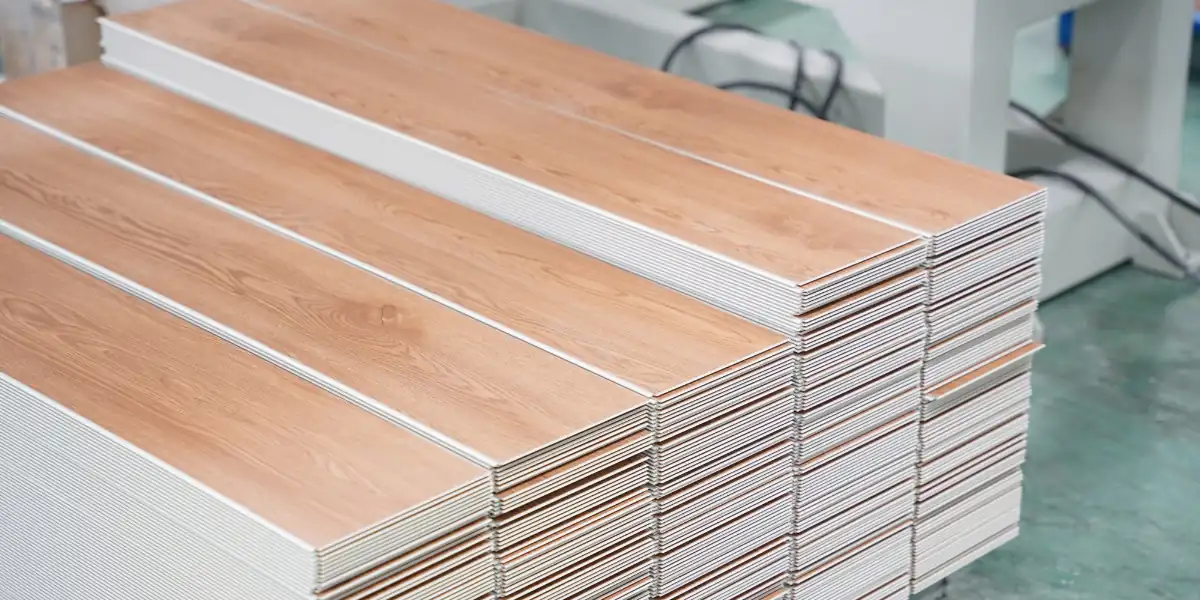
For B2B buyers, choosing SPC flooring should involve more than simply checking whether the product is labeled “waterproof.”
SPC Core Quality
The quality and composition of the rigid core directly affect flooring stability and performance.
Wear Layer
The wear layer determines how well the flooring surface can resist everyday wear, scratches, and stains.
Residential bathrooms may have different requirements from hotels, offices, or other commercial projects.
Flooring Thickness
SPC flooring is available in different thicknesses.
The appropriate thickness depends on the application, subfloor condition, installation method, and project requirements.
Click-Lock System
A reliable locking system helps create tight connections between planks and can improve installation efficiency.
Surface Finish
The surface treatment affects appearance, cleaning, stain resistance, and everyday durability.
For bathroom applications, buyers may also want to consider surface texture and slip-related performance according to the intended project requirements.
Certifications and Test Reports
For international projects, importers and distributors should request relevant product certifications, technical data, and test reports.
These documents can help buyers evaluate whether a product meets the requirements of their target market.
SPC Flooring vs. Other Bathroom Flooring Options
SPC is one of several flooring options available for bathrooms.
| Flooring Type | Moisture Resistance | Installation | Maintenance | Design Options |
|---|---|---|---|---|
| SPC Flooring | Excellent | Relatively easy | Easy | Wide |
| Ceramic Tile | Excellent | More labor-intensive | Easy | Very wide |
| Natural Wood | Limited | More demanding | Higher maintenance | Natural |
| Laminate Flooring | Limited to moderate | Easy | Moderate | Wide |
| Vinyl Flooring | Very good | Easy | Easy | Wide |
The best flooring depends on the level of water exposure, project requirements, budget, installation conditions, and local regulations.
Conclusion
So, is SPC flooring waterproof, and can it be used in bathrooms?
In most suitable applications, yes. The water-resistant rigid core of SPC flooring makes it a practical flooring option for many bathroom environments. Its moisture resistance, dimensional stability, easy maintenance, and wide range of designs have made it increasingly attractive for residential, hospitality, commercial, and renovation projects.
However, buyers should remember that waterproof SPC flooring does not replace proper bathroom waterproofing. Good subfloor preparation, correct installation, properly connected joints, edge treatment, and effective drainage are all essential for long-term performance.
For importers, distributors, and project buyers, it is important to evaluate the SPC core, wear layer, thickness, locking system, surface treatment, certifications, and intended application before purchasing.
If you are sourcing waterproof SPC flooring for bathrooms, residential projects, hotels, or commercial applications, choosing a reliable supplier with consistent product specifications and quality control can help ensure stable performance across your projects.
Looking for Waterproof SPC Flooring?
Chili New Material supplies high-quality SPC flooring for bathrooms, residential, and commercial projects.
Contact us today for product details and a quotation.