



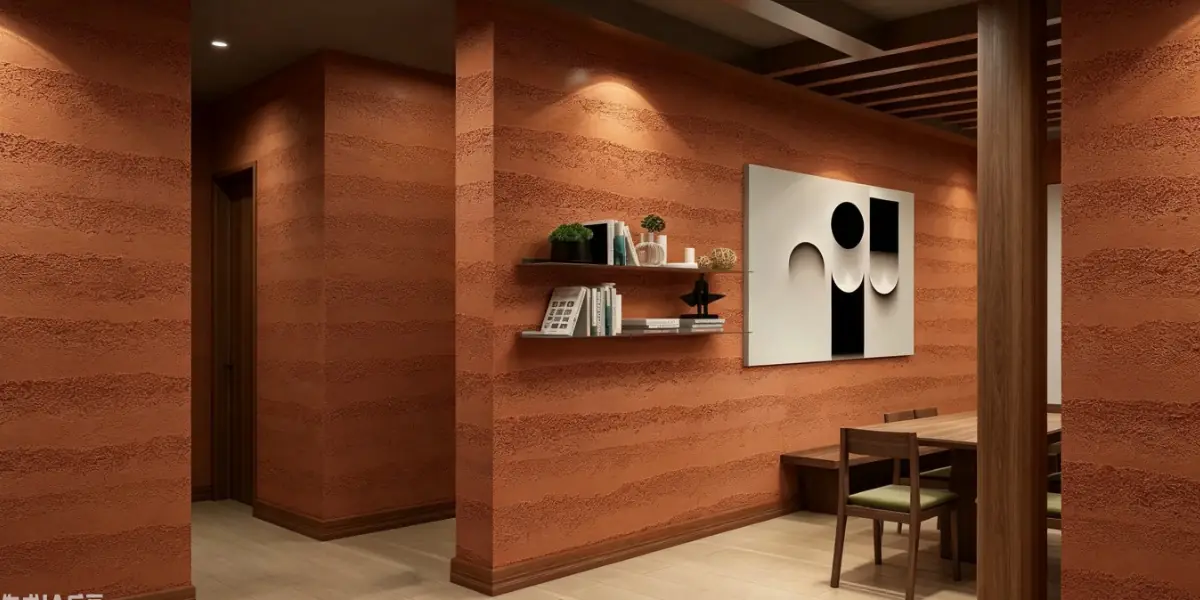
MCM wall panels are becoming increasingly popular in modern building projects because they combine the natural look of stone with a lightweight and flexible structure.
But what exactly are MCM wall panels? And how do they relate to soft stone and soft ceramics?
MCM stands for Modified Clay Material, a newer type of eco-friendly decorative material. Unlike traditional tiles that manufacturers fire at high temperatures or natural stone that workers quarry from the earth, MCM uses modified inorganic mineral powders, such as natural clay and stone powder, together with environmentally friendly polymers. Manufacturers process these materials into flexible panels under controlled temperatures.
Manufacturers can produce MCM in thin, lightweight sheets with surfaces that replicate the look and texture of natural stone, brick, concrete, wood, and other architectural finishes.
Depending on the manufacturer and market, companies may also market MCM products as soft stone panels, soft ceramic panels, flexible stone panels, or modified clay panels.
In this guide, we’ll take a closer look at MCM wall panels, explain how soft stone and soft ceramics relate to MCM, and explore the key features, applications, and practical benefits of these materials.
What Are MCM Wall Panels?
MCM wall panels, short for Modified Clay Material, use a blend of modified clay-based materials and mineral components to create lightweight decorative wall panels. Manufacturers process the material into thin panels and add a wide range of textures, colors, and surface patterns.
Unlike traditional stone cladding, MCM panels reduce overall material weight while maintaining the natural look of architectural surfaces. Manufacturers can create MCM panels that resemble:
- Natural stone
- Brick
- Sandstone
- Slate
- Marble
- Wood grain
- Other textured architectural finishes
Their lightweight construction allows contractors to use MCM wall panels for both interior and exterior wall decoration, depending on the product formulation and performance requirements.
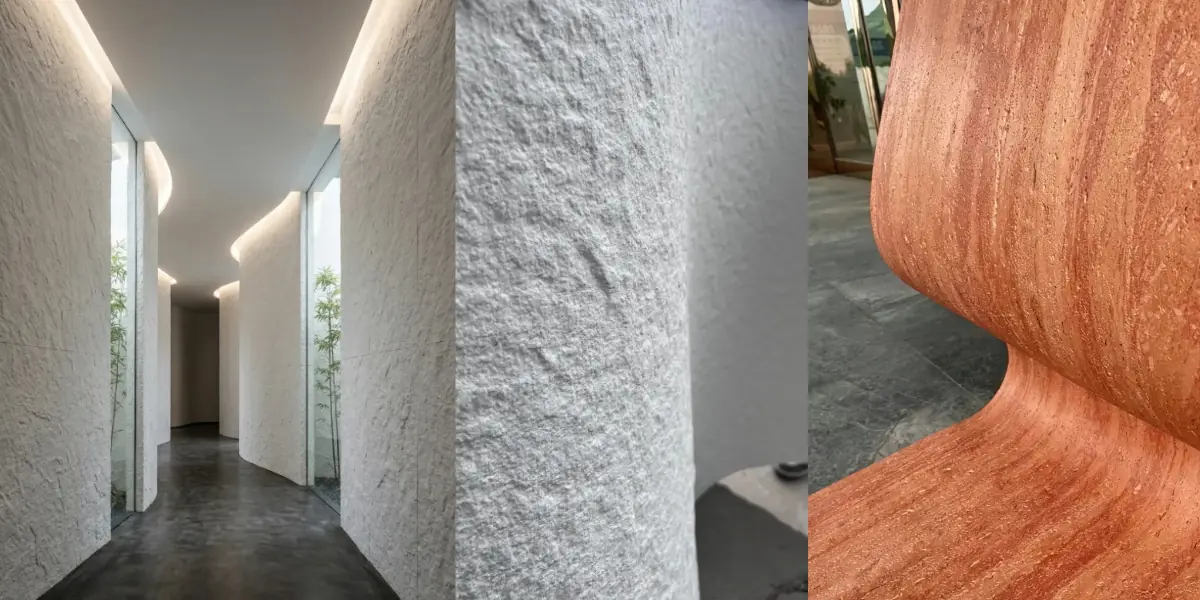
Because MCM panels can look like stone, feel like brick, and remain flexible enough to bend and roll, designers and renovation professionals often describe them as “flexible stone.”
What Does MCM Stand For?
MCM stands for Modified Clay Material.
The term describes a class of clay-based architectural materials. Manufacturers modify and process these materials to create lightweight decorative panels. MCM products differ from conventional ceramic tiles because they are typically thinner and lighter, and manufacturers can use them for applications beyond traditional tile installation.
Manufacturers can create MCM with different textures and surface finishes. This flexibility allows them to reproduce the appearance of natural materials on decorative wall panels.
This makes MCM material particularly interesting for commercial buildings, residential projects, hotels, restaurants, retail spaces, and other architectural applications.
Are MCM, Soft Stone, and Soft Ceramics the Same Product?
MCM, soft stone, and soft ceramics are closely related terms, but they do not always describe exactly the same product.
The relationship between these three terms is easier to understand as a relationship between technology and product form rather than as three identical materials.
MCM generally refers to Modified Clay Minerals, a modified inorganic mineral powder composite technology. The term does not describe one specific type of wall panel. Instead, manufacturers use this core manufacturing technology to create lightweight and flexible decorative materials.
Soft stone typically describes a product that uses MCM technology to create a flexible decorative surface with the appearance of natural stone. Because the finished material can bend and flex, manufacturers and designers often call it “flexible stone” or “soft stone.”
Soft ceramics, on the other hand, describe flexible decorative materials that manufacturers produce with MCM-based technology. Early versions focused on reproducing the appearance of traditional ceramic tiles, which led the market to adopt the term “soft ceramics.”
Manufacturers may use different formulations and production processes, so buyers should always check the manufacturer’s technical specifications before comparing MCM, soft stone, or soft ceramic products.
Simple Comparison
| Term | Common Meaning | Typical Appearance | Common Applications |
|---|---|---|---|
| MCM | Modified Clay Material | Stone, brick, concrete, wood, and other textures | Interior and exterior walls |
| Soft Stone | Flexible and lightweight decorative stone-like panel | Natural stone, rock, and sandstone | Feature walls, facades, and interiors |
| Soft Ceramics | Lightweight ceramic-like decorative material | Tile, stone, and textured finishes | Interior and architectural decoration |
For SEO and product classification, companies can use these terms together while keeping their individual meanings clear.
Key Features of MCM Wall Panels
1. Lightweight Construction
One of the main advantages of MCM wall panels is their relatively lightweight structure.
Compared with traditional stone cladding, lightweight wall panels can reduce the load on a building structure. Their lower weight also makes transportation, handling, and installation more convenient for contractors and installers.
2. Stone-Like Appearance
MCM panels can reproduce the appearance of many natural architectural materials.
Popular finishes include:
- Stone
- Rock
- Brick
- Concrete
- Sandstone
- Slate
This variety gives architects and designers more flexibility when they create decorative wall surfaces.
3. Flexible Material
Some MCM and soft stone products offer a certain degree of flexibility.
This flexibility makes them suitable for decorative surfaces where rigid materials may create installation challenges. Contractors can use selected products on curved or irregular architectural surfaces.
However, the actual bending radius varies by product, so buyers should confirm the manufacturer’s technical specifications before installation.
4. Multiple Surface Designs
MCM wall panels come in a wide range of textures and colors.
Manufacturers can develop different surface patterns to meet architectural design requirements. This versatility makes MCM suitable for both contemporary and natural-looking building designs.
5. Interior and Exterior Applications
Manufacturers can formulate MCM panels for interior or exterior applications according to their intended use and technical requirements.
Interior applications include feature walls, hotel interiors, restaurants, commercial spaces, and residential decoration.
Exterior applications include building facades, entrance areas, landscape walls, and other architectural surfaces.
Always check the product’s technical data before using MCM panels for exterior installation.
MCM Wall Panel vs Soft Stone
MCM and soft stone often appear together in product discussions because many soft stone products use modified clay-based or mineral-based formulations.
However, soft stone usually works as a product or marketing term that describes a flexible decorative surface with a stone appearance.
MCM refers more closely to the material technology or material category, while soft stone emphasizes the appearance and flexible characteristics of the finished product.
When comparing products from different suppliers, buyers should look beyond the product name and compare:
- Material composition
- Panel thickness and weight
- Flexibility and bending radius
- Surface finish and texture
- Water resistance
- Weather and UV resistance
- Fire performance
- Recommended applications
- Installation requirements
- Available certifications and test reports
This approach helps buyers choose a product based on actual performance rather than marketing terminology alone.
Where Can MCM Wall Panels Be Used?
MCM wall panels work well in a variety of architectural and decorative projects.
Residential Buildings
Homeowners, designers, and contractors can use MCM for:
- Living room feature walls
- TV walls
- Exterior walls
- Garden walls
- Entryways
- Balcony decoration
Stone and concrete textures work particularly well with modern residential designs.
Hotels and Restaurants
Hotels, restaurants, cafes, and entertainment spaces often need decorative wall materials that create a distinctive visual atmosphere.
Designers can use MCM panels for:
- Lobby walls
- Reception areas
- Restaurant feature walls
- Corridor walls
- Decorative columns
- Background walls
Commercial Buildings
Commercial projects can use MCM panels in retail stores, offices, showrooms, shopping centers, and other spaces where architectural appearance matters.
Building Facades
Manufacturers can design certain MCM products for exterior applications and use them as decorative facade materials.
Before using MCM on an exterior wall, buyers should confirm the product’s weather resistance, water resistance, UV resistance, fire performance, and installation requirements.
Is MCM Suitable for Exterior Walls?
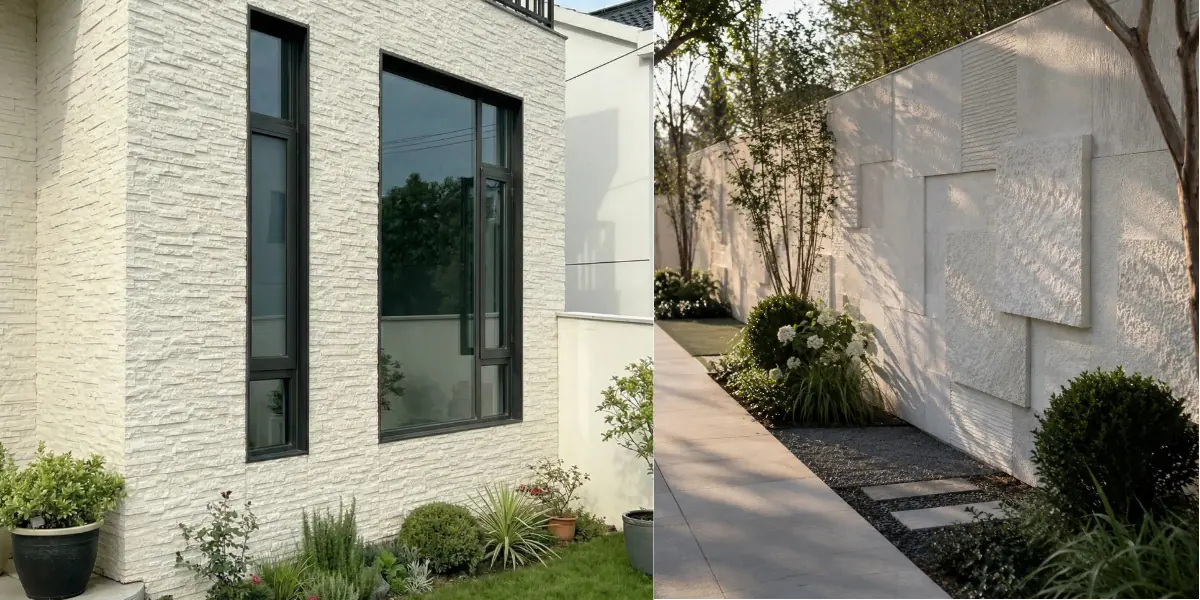
MCM can work well for exterior walls when manufacturers design and test the specific product for outdoor use.
Exterior walls expose materials to sunlight, rain, temperature changes, humidity, and other environmental conditions. Therefore, buyers should not assume that every MCM or soft ceramic product works outdoors.
For an exterior project, buyers should ask the supplier for information about:
- Weather resistance
- Water absorption
- Freeze-thaw performance where applicable
- UV resistance
- Fire performance
- Adhesion
- Dimensional stability
- Recommended installation system
Choosing the correct product specification matters more than relying only on the general term “MCM.”
Why Choose MCM for Modern Wall Decoration?
MCM wall panels combine several characteristics that matter in modern architectural materials: lightweight construction, decorative flexibility, multiple textures, and stone-like appearance.
They give designers an alternative to conventional stone, brick, and ceramic materials while offering different installation and handling characteristics.
For B2B projects, buyers should focus on more than the appearance of MCM. They should select products according to the project’s application environment, performance requirements, installation system, and local building standards.
Final Thoughts
MCM wall panels, soft stone, and soft ceramics represent a growing group of lightweight decorative wall materials for modern architecture.
MCM, or Modified Clay Material, focuses on material technology, while soft stone and soft ceramics commonly describe specific product types or market applications. Although these terms are related, manufacturers may use different formulations and production processes for each product.
Architects, contractors, distributors, and importers should select MCM wall panels according to their material composition, appearance, weight, flexibility, performance, application, certifications, and installation requirements.
If you are looking for MCM wall panels for a residential, commercial, or architectural project, contact Chili New Materials to discuss available textures, specifications, customization options, and project requirements.