



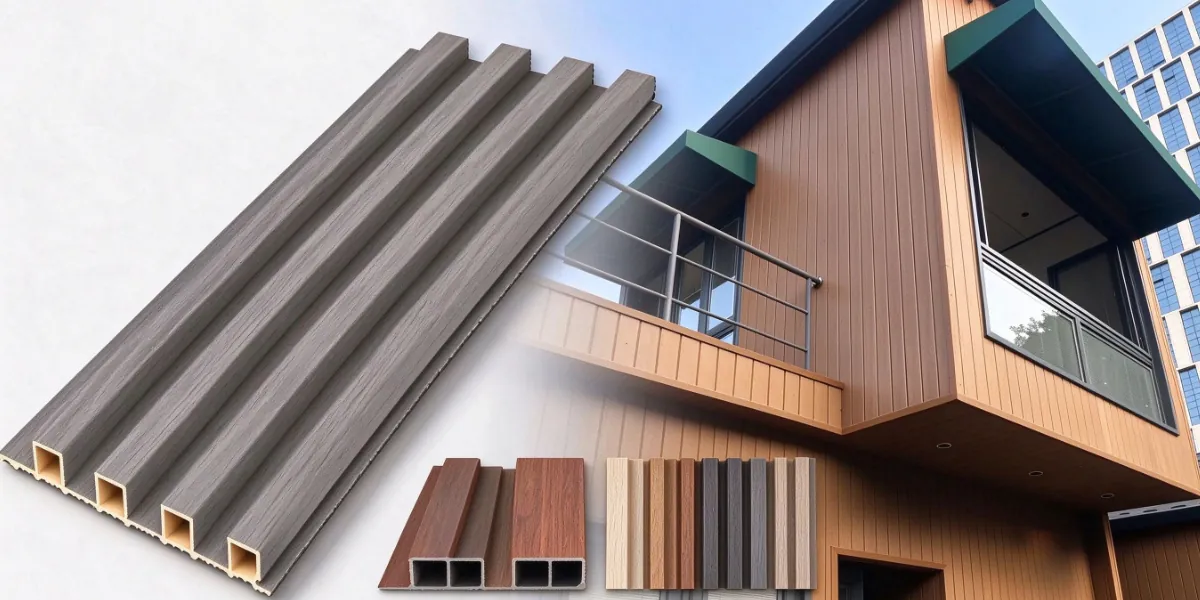
WPC wall panels (Wood-Plastic Composite Wall Panels) are decorative panels made from a combination of wood powder, plant fibers, and resin materials such as PVC and PE. They combine the natural appearance of wood with the durability of composite materials. Today, WPC wall panels are widely used in residential, commercial, and hotel interiors and are also commonly marketed under names such as carbon crystal panels and diamond panels. So, what are the advantages of WPC wall panels, where can they be used, and how should you choose the right one? This article provides a detailed guide.
What Is a WPC Wall Panel?
WPC stands for Wood-Plastic Composite. WPC wall panels are manufactured by combining wood-based materials, polymers, and additives through a controlled production process. They are a modern and environmentally friendly decorative building material.
Depending on the product design, WPC wall panels can feature different surface textures, colors, profiles, and finishes. Wood-grain designs are particularly popular because they create a warm, natural look while requiring less maintenance than natural wood.
WPC wall panels are mainly used as decorative wall coverings rather than structural wall materials. They can be installed on suitable interior walls to enhance aesthetics, protect wall surfaces, and create a consistent design style.
Unlike solid wood wall cladding, WPC panels are engineered to offer more consistent dimensions and improved resistance to moisture and everyday wear.
Benefits of WPC Wall Panels
1. Moisture Resistance
Compared with traditional wood wall panels, one of the key advantages of WPC wall panels is their excellent moisture resistance. They do not readily absorb water and are less prone to mold, rot, and decay, making them suitable for many indoor environments with high humidity or occasional moisture.
However, actual performance depends on the formulation, structure, installation method, and application environment. Before using WPC panels in humid areas, buyers should always check the manufacturer’s specifications and recommended applications.
2. Durable and Easy to Maintain
WPC wall panels are designed for long-term indoor use. Their composite structure provides resistance to insects, corrosion, scratches, and everyday wear. The finished surface is also relatively easy to clean.
Unlike natural wood, WPC wall panels generally do not require regular painting, staining, or other intensive maintenance. Simple wiping with a cloth is usually sufficient to keep the surface clean.
3. Attractive Appearance and Versatile Design
WPC wall panels can be embossed or brushed to create realistic wood-grain textures. They are also available in a wide range of finishes, including stone, fabric, and slatted designs. This makes them easy to match with various interior styles, such as Scandinavian, natural wood, cream-style, and modern luxury interiors.
This versatility gives architects and interior designers greater flexibility when creating modern, minimalist, commercial, or wood-inspired spaces.
Different colors, textures, and surface profiles can also be combined to create feature walls and decorative backgrounds with a distinctive visual appeal.
4. Easy Installation
WPC wall panel systems are generally designed for relatively simple installation. They can be installed using modular systems and dry construction methods, such as clips, mounting systems, or adhesive, without complicated wet work or additional painting.
Some WPC wall panels can also be installed directly over properly prepared unfinished walls, helping shorten the construction period and reduce labor costs.
5. Flexible Design Options
WPC wall panels are available in various widths, thicknesses, colors, surface patterns, and finishes. Common designs include slatted, grooved, textured, and wood-grain finishes.
This design flexibility allows WPC wall panels to be used for both small residential projects and large-scale commercial interior applications.
Important: WPC wall panels are available in both indoor and outdoor grades. Indoor WPC panels generally focus on environmental performance and surface aesthetics, while outdoor WPC products are formulated with additives such as UV stabilizers and antioxidants to improve weather resistance.
Indoor WPC panels should never be used for prolonged outdoor exposure. If indoor-grade panels are exposed to direct sunlight and outdoor weather for extended periods, they may quickly fade, warp, or crack.
Applications of WPC Wall Panels
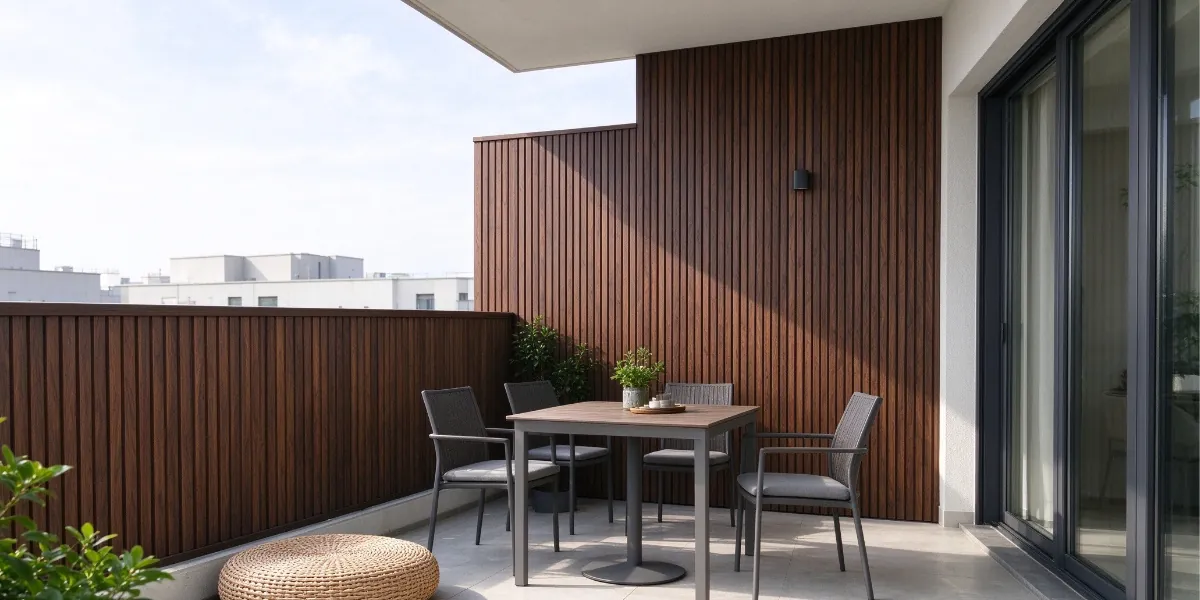
WPC wall panels can be used in a wide range of interior spaces.
Residential Interiors
Homeowners commonly use WPC wall panels for living room feature walls, bedroom backgrounds, TV walls, dining areas, hallways, and other decorative spaces.
Hotels and Hospitality
Hotels, restaurants, cafés, and other hospitality projects can use WPC wall panels to create attractive feature walls while keeping maintenance requirements manageable.
Offices and Commercial Spaces
WPC panels can also be used in offices, reception areas, meeting rooms, retail stores, and showrooms. Different colors and profiles allow businesses to match wall designs with their branding and interior concepts.
Interior Decoration Projects
For designers and contractors, WPC wall panels can be used as part of larger interior decoration systems. They can also be combined with lighting, metal trims, stone-effect materials, or other decorative surfaces
Common Quality Problems and Their Causes
- Warping and Buckling Caused by Thermal Expansion and Contraction: This is one of the most common problems. If sufficient expansion gaps are not left during installation, or indoor-grade panels are used in environments with significant temperature changes, thermal expansion during hot weather can cause the panels to buckle, increase joint gaps, or warp.
- Fading and Surface Powdering: Standard indoor WPC wall panels may fade, turn yellow or gray, or develop surface powdering when mistakenly used outdoors and exposed to prolonged UV radiation. For outdoor applications, buyers should choose weather-resistant ASA-coated WPC panels or co-extruded WPC panels with enhanced UV protection.
- Moisture, Mold, and Blackening: WPC itself has good water resistance, but moisture can penetrate through unsealed cut edges and cause mold growth. In addition, if hidden moisture exists behind the wall, such as moisture absorbed during humid weather or water seepage around windows, and there is insufficient ventilation behind the panels, the trapped moisture may cause the back of the panels or the wall surface to become moldy or blackened.
- Surface Scratches and Damage: Low-quality or standard non-co-extruded WPC panels may have a relatively thin protective surface layer. Daily impacts or friction from furniture can easily leave scratches. Once the protective layer is damaged, the underlying material may age more quickly when exposed to moisture, UV radiation, or other environmental factors.
How to Choose the Right WPC Wall Panel
Before purchasing, buyers should consider several factors.
First, check the application. Choose the right panel based on whether it will be used indoors or outdoors. Outdoor WPC wall panels need good weather resistance and UV resistance to withstand sunlight, rain, and temperature changes. Indoor wall panels should place more emphasis on environmental performance, formaldehyde emissions, and surface appearance, making them suitable for living rooms, bedrooms, hallways, hotels, and offices.
Second, compare specifications. Pay attention to panel dimensions, thickness, density, surface finish, color stability, moisture resistance, and installation method.
Third, evaluate the surface quality. A consistent texture, uniform color, clean edges, and stable dimensions are important for achieving a professional installation.
Fourth, consider the supplier. For commercial projects, buyers should evaluate production capacity, quality control, certifications, customization options, packaging, and delivery capability rather than choosing only by price.
Final Thoughts
WPC wall panels provide a practical option for modern interior wall decoration. Their wood-inspired appearance, moisture resistance, durability, easy maintenance, and design flexibility make them suitable for residential, commercial, hospitality, and other interior projects.
For buyers, the key is to look beyond appearance and price. Check the product specifications, surface quality, installation system, quality control, customization capability, and supplier reliability before placing an order.
If you are sourcing WPC wall panels for a construction or interior decoration project, Chili New Materials can provide customized solutions based on your required design, specifications, and project needs. Contact us to discuss WPC wall panel options for your next project.