


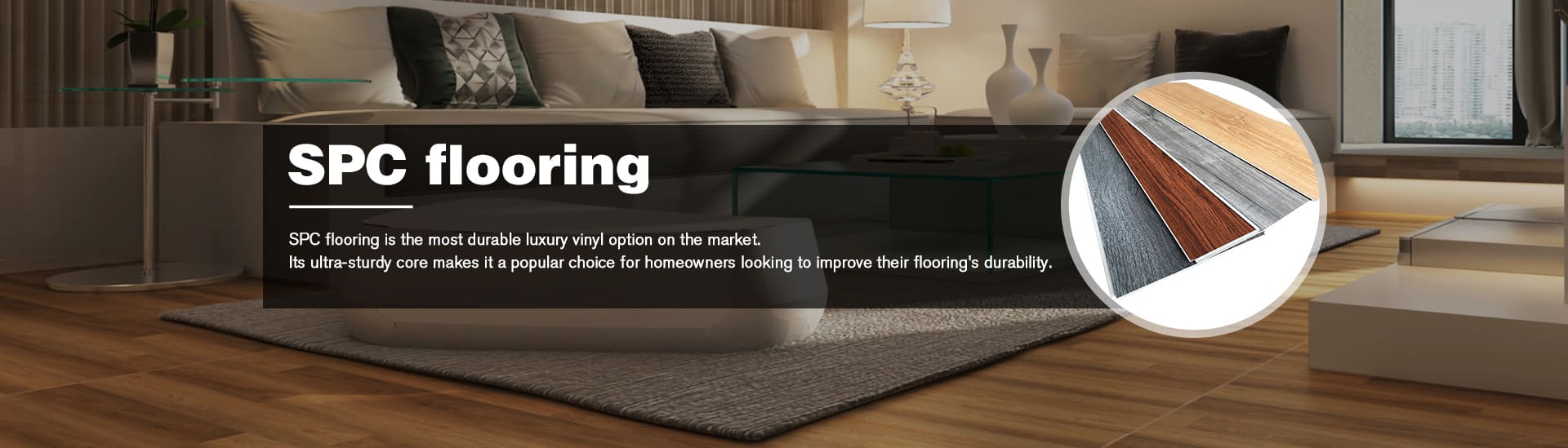

Many people shopping for SPC flooring wonder: is thicker always better?
The short answer is no — there is no hard‑and‑fast rule that a thicker SPC floor equals a better floor. SPC flooring comes in a wide range of thickness options, and the right pick mostly depends on where you plan to install it and how heavy your foot traffic will be.
So what’s the ideal thickness for SPC flooring?
For most residential and commercial projects, 4 mm to 6 mm boards strike the perfect balance between durability, stability, installation costs and overall performance.
In this guide, we’ll break down everything you need to know about SPC flooring thickness, compare popular thickness options, and help you land on the best fit for your project.
What Does SPC Flooring Thickness Mean?
SPC flooring thickness refers to the total thickness of the flooring plank, including its different structural layers.
A typical SPC flooring product may include:
- UV Coating:Gloss and matte finishes are both available, and Chili New Materials supports custom orders for either option.
- Wear layer:It works like the “outer skin” of the flooring, protecting against scratches and stains, and directly determines the service life of your floor.
- Decorative film:It displays a wide variety of realistic patterns such as wood‑grain and stone‑grain finishes.
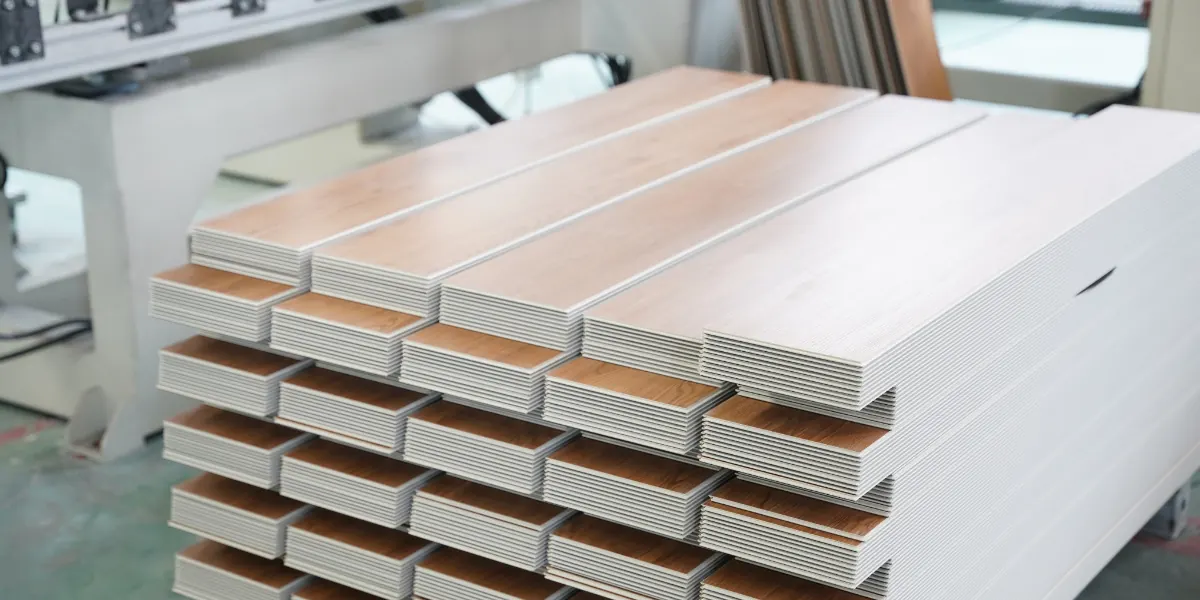
- SPC rigid core:It serves as the core supporting layer, hot‑pressed from stone powder (over 60% content) and PVC resin, delivering exceptional hardness and dimensional stability to the flooring.
- Attached underlayment, depending on the product:It boosts stability. Some models come with a built‑in IXPE underlayment for shock absorption and noise reduction.
The total thickness is commonly measured in millimeters (mm).
Common SPC flooring thicknesses include:
- 3.5mm SPC flooring
- 4mm SPC flooring
- 4.5mm SPC flooring
- 5mm SPC flooring
- 5.5mm SPC flooring
- 6mm SPC flooring
- 7mm and thicker SPC flooring
However, thicker SPC flooring is not always better. Wear‑layer thickness, core density, click‑lock system, surface finish and installation conditions also play a major role in overall floor performance.
Learn More About SPC Flooring → What Is SPC Flooring?
What Is the Best Thickness for SPC Flooring?
For general applications, 4mm to 6mm is often the best SPC flooring thickness range.
The right choice depends on the project.
| SPC Thickness | Recommended Application | Main Advantage |
|---|---|---|
| 3.5–4mm | Light residential use | Cost-effective |
| 4–5mm | Residential flooring | Good balance |
| 5–6mm | High-traffic homes and commercial areas | Better stability and comfort |
| 6mm+ | Heavy-duty applications | Greater overall thickness and rigidity |
For a typical home renovation, 4mm or 5mm SPC flooring can provide an excellent balance between price and performance.
For hotels, offices, retail stores, and other commercial projects, 5mm to 6mm SPC flooring may be a better choice, especially when the floor will experience frequent foot traffic.
4mm vs 5mm SPC Flooring
One of the most common questions from buyers is whether they should choose 4mm or 5mm SPC flooring.
4mm SPC Flooring
4mm SPC flooring is lightweight, relatively economical, and suitable for many residential projects.
It can work well in:
- Bedrooms
- Living rooms
- Apartments
- Home offices
- Light-use commercial spaces
Its thinner construction can also make it easier to match existing floor heights during renovation projects.
5mm SPC Flooring
5mm SPC flooring provides additional thickness while maintaining a relatively practical installation height.
It is commonly considered for:
- Living rooms
- Kitchens
- Hallways
- Hotels
- Offices
- Retail spaces
Compared with 4mm flooring, a 5mm product may provide a more substantial feel underfoot and can offer additional rigidity when combined with a well-designed SPC core.
If budget and floor height are important, 4mm can be a practical choice. If you want a little more thickness and stability, 5mm is often a better all-around option.
Is 6mm SPC Flooring Better?
6mm SPC flooring is a popular choice for projects where buyers want a more substantial flooring product.
The additional thickness can provide:
- Greater overall rigidity
- A more solid feel underfoot
- Better tolerance for demanding applications
- Improved floor-height compatibility in some projects
However, it is important to understand that SPC flooring performance cannot be judged by thickness alone.
A high-quality 4mm SPC floor with a dense rigid core and reliable locking system may perform better than a poorly manufactured 6mm product.
When comparing products, buyers should evaluate the complete construction rather than focusing only on total thickness.
Does SPC Flooring Thickness Affect Durability?
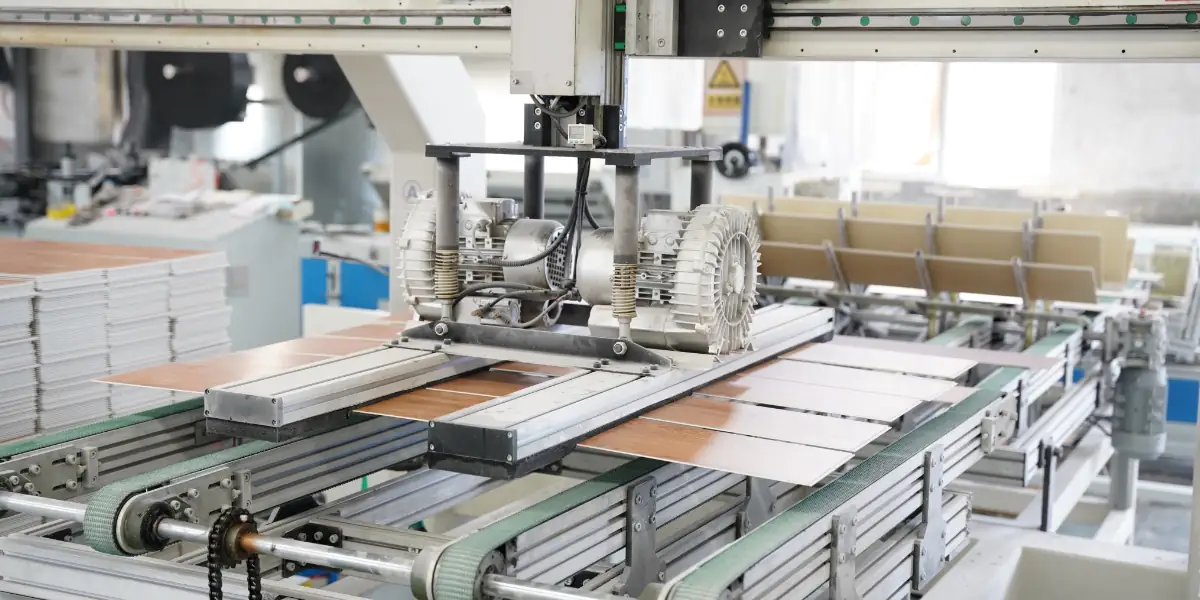
Yes, but thickness is only one factor affecting durability.
The durability of SPC flooring is influenced by several specifications, including:
1. Wear Layer
The wear‑layer shields the decorative surface from everyday scuffs and wear.
Common wear‑layer thickness options: 0.2 mm, 0.3 mm, 0.5 mm, 0.7 mm.
For regular residential use, we recommend a minimum 0.3 mm wear‑layer. Households with kids or pets should go for our heavy‑scratch‑resistant collection with 0.5 mm or thicker. Your wear‑layer thickness determines whether your floor will show scuff marks or turn hazy after years of use.
2. SPC Core Density
The rigid core is responsible for much of the flooring’s dimensional stability and structural performance.
A dense, well-formulated SPC core can help improve:
- Impact resistance
- Dimensional stability
- Locking performance
- Load-bearing performance
Always pick SPC flooring with a virgin‑material core. Its cross‑section should look smooth and free of impurities. Stay away from low‑grade floors made from recycled materials. They often fail environmental standards and tend to crack or warp over time.
3. Locking System
The click-lock system connects individual planks and affects installation quality.
A strong and accurately manufactured locking profile can help reduce problems such as:
- Gaps between planks
- Joint movement
- Broken edges
- Installation difficulties
4. Surface Treatment
A quality UV coating and wear-resistant surface can help protect the flooring from daily use, stains, scratches, and sunlight exposure.
What Thickness of SPC Flooring Is Best for High-Traffic Areas?
For high-traffic areas, 5mm to 6mm SPC flooring is often a good starting point.
Potential applications include:
- Hotels
- Shopping areas
- Offices
- Restaurants
- Showrooms
- Retail stores
- Public facilities
However, the wear layer should also be considered.
For example, choosing a 6mm plank with an unsuitable wear layer may not provide better surface durability than a well-designed 5mm product.
For commercial projects, buyers should evaluate total thickness + wear layer + core density + locking system together.
Does Thicker SPC Flooring Feel Better?
Generally, thicker SPC flooring can provide a more substantial and solid feeling underfoot. However, underlayment also plays an important role in comfort.
Some SPC flooring products come with an attached IXPE or EVA underlayment. This can help improve:
- Walking comfort
- Sound reduction
- Minor surface cushioning
- Installation convenience
So when you compare two different SPC flooring products, do not only look at their overall thickness. It is critical to tell the difference between total thickness and core‑layer thickness. Many suppliers list 6 mm or 8 mm as the full thickness, which already includes the underlayment pad at the bottom.
The SPC core itself determines click‑lock strength and structural stability, while the IXPE or EVA foam underlayment mainly impacts foot comfort and sound insulation. Always ask your supplier for separate thickness values of the core board and foam pad before placing your order.
Installation Pitfalls to Avoid
SPC flooring has strict requirements for sub‑floor flatness, with a maximum allowable deviation of 2 mm. If you lay it over uneven existing tiles or rough concrete floors, the click‑lock joints are likely to crack and create squeaky noises under foot traffic.
SPC Flooring Thickness Buying Guide 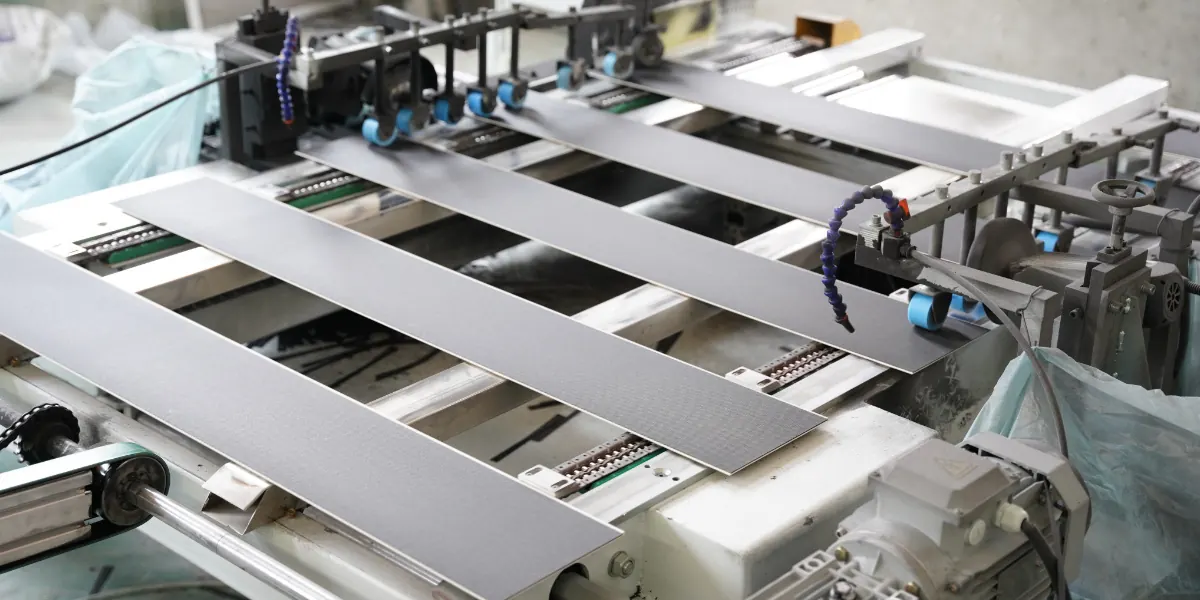
Below you will find our thickness suggestions for different spaces. 4 mm SPC flooring works well for residential bedrooms. Living rooms and kitchens are generally a good fit for 4‑5 mm boards. If you have high‑activity zones inside your home, 5 mm flooring strikes a solid balance between performance and budget. Hotels and office spaces usually perform best with the 5‑6 mm range. For heavy‑use commercial locations, opt for 5‑6 mm or thicker planks paired with a durable wear layer and premium‑grade SPC core.
For high-traffic commercial projects:
Consider 5mm–6mm or thicker products together with an appropriate wear layer and high-quality SPC core.
Final Thoughts
So, what is the best thickness for SPC flooring?
There is no single thickness that is perfect for every project. For most residential applications, 4mm–5mm SPC flooring provides a good balance of cost, durability, and installation convenience. For commercial and higher-traffic applications, 5mm–6mm SPC flooring may be a better choice.
When choosing SPC flooring, always look beyond thickness. Consider the wear layer, SPC core, locking system, underlayment, subfloor condition, traffic level, and overall product quality.
If you are sourcing SPC flooring for a residential, commercial, or wholesale project, selecting the specification based on the actual application can help you achieve better long-term performance and value.
Find the Right SPC Flooring
Chili New Materials offers SPC flooring in various thicknesses and specifications for residential and commercial projects. Contact us today for the right flooring solution for your project.