



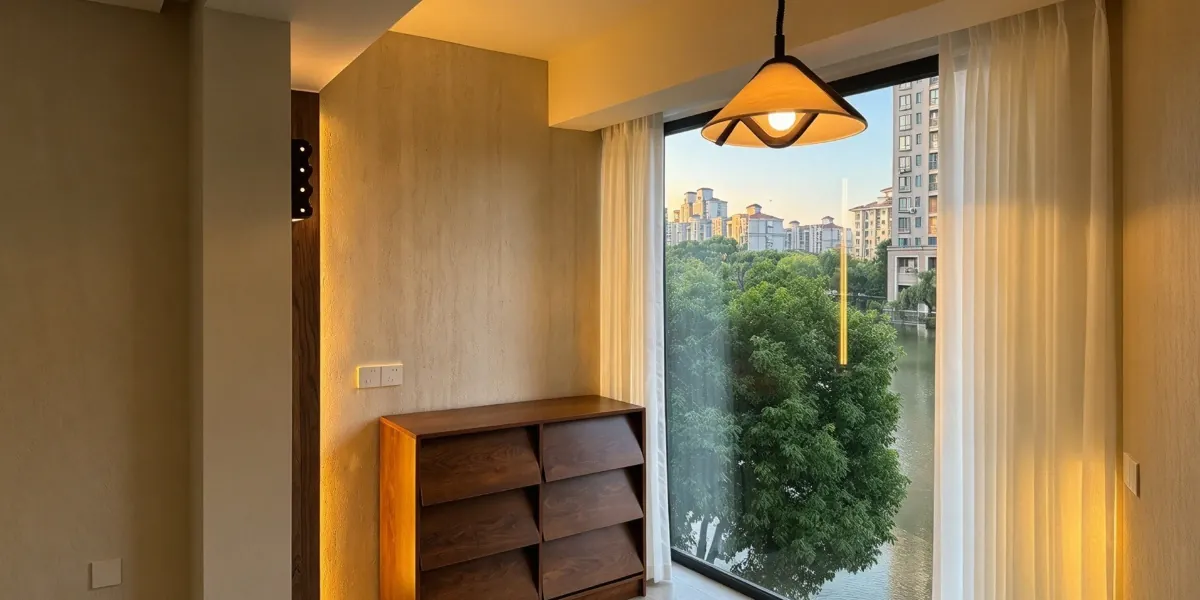
Flexible stone panels are becoming an increasingly popular option for both interior and exterior wall finishes. They offer the natural texture and appearance of stone while being much thinner, lighter, and more flexible. Most panels are only about 2–6 mm thick and weigh roughly one-fifth as much as traditional stone. This makes them much easier to transport, cut, handle, and install on site.
Unlike conventional rigid stone cladding, flexible stone panels are not made from solid natural stone. Instead, they are manufactured using a combination of inorganic mineral materials, such as cement, colored sand, polymers, and modified clay, along with a reinforcing fiber layer. Depending on the product and manufacturing process, the materials may go through controlled forming, heat treatment, baking, and radiation cross-linking to create a thin yet durable wall panel. These products are also commonly marketed as soft stone, soft ceramics, or Modified Clay Material (MCM).
In this guide, we’ll take a closer look at the main advantages and disadvantages of flexible stone panels and explain what to consider when deciding whether they are suitable for your walls.
What Are Flexible Stone Panels?
Flexible stone panels are thin wall cladding materials designed to reproduce the appearance and texture of natural stone while offering greater flexibility and lower weight.
Depending on the product, flexible stone panels may use mineral-based materials, modified clay, polymers, reinforced backing, or other composite structures. MCM wall panels, for example, use modified mineral materials to create a thin and flexible surface with the appearance of stone, marble, sandstone, slate, or other decorative finishes.
For a more detailed explanation of MCM, soft stone, and soft ceramics, see our guide to MCM wall panels, soft stone, and soft ceramics.
Advantages of Flexible Stone Panels
Compared with traditional stone and other rigid wall cladding materials, flexible stone panels offer several practical advantages. Their lightweight construction, flexibility, and relatively simple installation make them suitable for a wide range of residential and commercial projects.
1. Lightweight Construction
One of the biggest advantages of flexible stone panels is their lightweight design.
Traditional stone and some stone cladding products can add significant weight to a building. Flexible stone panels use a much thinner and lighter construction, making them easier to transport, handle, and install.
This can be particularly useful in renovation projects where the existing wall structure may not be suitable for heavy decorative materials.
For contractors, lightweight panels can simplify transportation around the job site and reduce the physical effort required during installation.
2. Suitable for Curved Surfaces
Flexible stone panels are typically only 2–6 mm thick and weigh around 3–8 kg per square meter, helping reduce the additional load placed on a wall. Depending on the product, some panels can bend to a radius of around 100 mm, making it possible to cover curved and irregular surfaces that would be difficult to finish with conventional stone.
They can be used on surfaces such as:
- Curved walls
- Columns
- Arches
- Rounded corners
- Decorative architectural features
- Irregular surfaces
This flexibility gives architects and designers more freedom when creating curved or three-dimensional wall designs.
However, the minimum bending radius varies from one product to another. Always check the manufacturer’s technical specifications before installation to make sure the panel is suitable for the intended application.
3. Natural Stone Appearance
Another reason flexible stone panels have become popular is their ability to recreate the look and texture of natural materials.
Depending on the manufacturing process and finish, panels can replicate the appearance of travertine, slate, sandstone, wood grain, leather textures, and even 3D-printed patterns. Custom finishes and patterns can also be produced based on samples or specific design requirements.
This gives designers more freedom to create distinctive wall finishes without having to install thick, heavy stone.
For projects where the visual appeal of natural stone is important but weight and installation requirements are a concern, flexible stone panels can provide a practical alternative.
4. Faster Installation
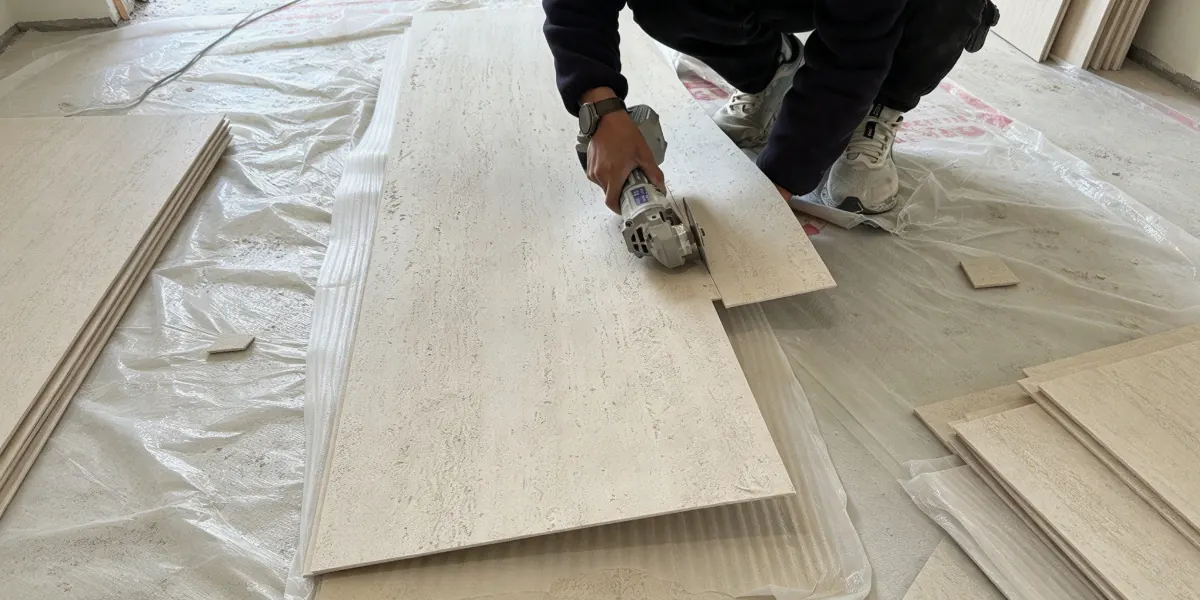
Flexible stone panels can often be installed more quickly than traditional stone cladding. Their thin and lightweight construction makes them easier to handle, and many products can be installed directly onto walls using construction adhesive or a suitable specialized bonding agent.
For renovation projects, some systems can even be installed over existing tile surfaces when the substrate is properly prepared. This can eliminate the need to remove the old tiles first and potentially reduce overall installation time by more than 50%, depending on the project conditions.
A typical installation process may include:
- Preparing the wall surface
- Measuring and cutting the panels
- Applying the appropriate adhesive
- Positioning the panels
- Pressing and adjusting the surface
- Finishing the joints and edges
For a detailed step-by-step installation guide, see How to Install Flexible Stone Panels on Walls.
Proper substrate preparation is essential for a successful installation. Dust, loose materials, moisture, or uneven surfaces can all affect the final bonding performance and may cause problems after installation.
5. Easier Handling and Transportation
Because flexible stone panels are much thinner and lighter than traditional stone, they are easier to move around a construction site.
This can be especially helpful for:
- High-rise renovation projects
- Interior remodeling
- Commercial projects
- Projects with limited site access
- Large wall installations
Their lower weight also makes storage and transportation more convenient. Compared with heavy stone slabs, flexible panels generally require less effort to load, unload, carry, and position, which can make the overall installation process more manageable.
Disadvantages of Flexible Stone Panels
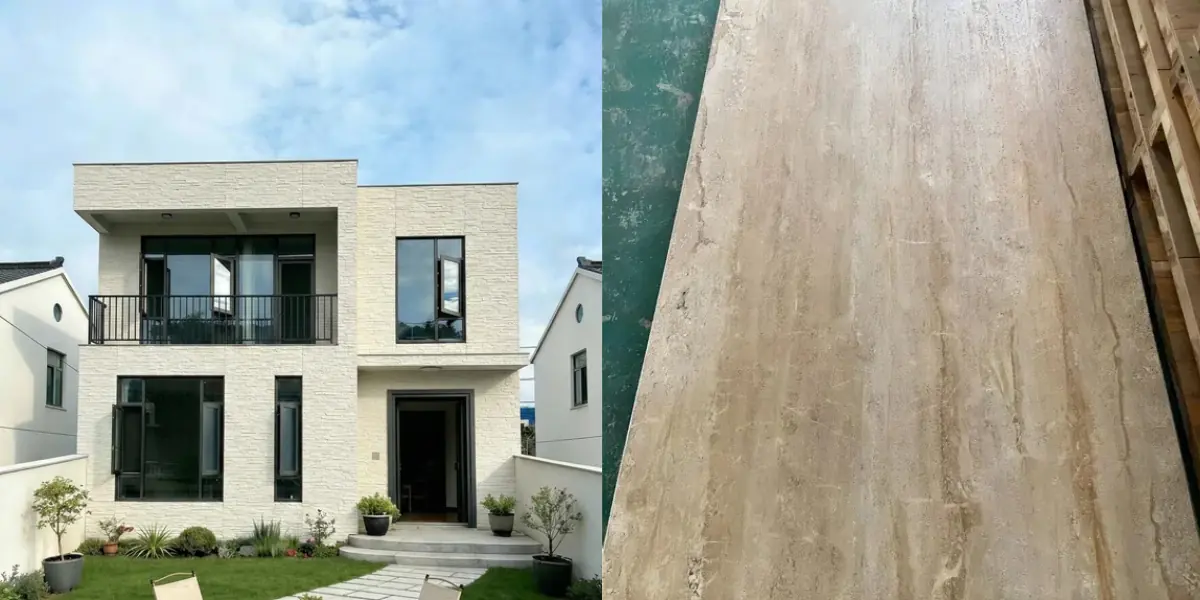
While flexible stone panels offer several practical benefits, they also have some limitations. Understanding these drawbacks can help buyers and contractors choose the right material for a specific project.
1. They Are Not the Same as Solid Natural Stone
Flexible stone panels are designed to recreate the look of stone, but they are not the same as solid natural stone slabs.
Because they are much thinner, they cannot provide the same thickness, mass, or sense of depth as traditional stone. The overall look can be very realistic, but the physical feel is different.
For projects where the weight, solidity, and substantial feel of real stone are important, traditional stone may still be a better fit.
2. Impact Resistance Depends on the Product
Because flexible stone panels are relatively thin, their ability to withstand heavy impact depends on the specific material structure, reinforcement, and surface finish.
They may not be the best choice for areas that are regularly exposed to strong impacts, such as industrial environments, busy commercial spaces, or other high-contact areas.
If impact resistance is an important requirement for your project, check the manufacturer’s technical data and test results before making a decision.
3. Proper Installation Is Important
Although flexible stone panels are relatively easy to cut—even with a pair of scissors—the installation itself requires careful attention to the substrate and adhesive.
The wall surface needs to be clean, stable, dry, and sufficiently flat. The correct adhesive must also be selected for the specific panel and application.
Poor surface preparation, unsuitable adhesive, or incorrect installation can lead to problems such as cracking, poor adhesion, or panels coming loose over time.
In other words, cutting the material may be simple, but achieving a long-lasting installation requires proper preparation and workmanship.
4. Outdoor Performance Depends on the Product
Not every flexible stone panel is automatically suitable for exterior applications.
Outdoor walls can be exposed to a range of environmental conditions, including:
- Rain
- UV radiation
- Temperature changes
- Freeze-thaw cycles
- Humidity
- Wind
For this reason, buyers should check whether the specific product has been tested and approved for the intended outdoor environment.
Don’t assume that all flexible stone panels offer the same level of weather resistance. Always check the manufacturer’s technical specifications, testing information, and recommended installation requirements before using a product outdoors.
5. Limited Market Awareness
Compared with conventional tiles and other familiar wall finishes, flexible stone panels are still relatively new to many consumers and contractors.
Because the material is less familiar, buyers may need more information about its installation, maintenance, durability, and suitable applications before choosing it.
Pricing can also vary considerably depending on the brand, raw materials, manufacturing process, surface finish, and customization requirements. In some cases, flexible stone panels may cost more per square meter than standard ceramic or porcelain tiles.
For buyers comparing different wall finishing materials, it is therefore worth looking beyond the initial material price and considering factors such as installation time, transportation costs, labor requirements, and the overall appearance of the finished project.
Where Should You Use Flexible Stone Panels?
Flexible stone panels can work particularly well in projects where lightweight construction and design flexibility are important.
Common applications include:
Interior Feature Walls
Flexible panels can create a stone-inspired background for living rooms, bedrooms, restaurants, offices, and hotels.
Commercial Interiors
Hotels, restaurants, retail stores, and office buildings can use flexible stone finishes to create distinctive decorative walls without installing heavy stone materials.
Exterior Decorative Walls
Products specifically designed and tested for exterior use can be considered for facades and other outdoor decorative applications.
Columns and Curved Structures
Their flexibility makes them particularly useful for columns, arches, curved walls, and other surfaces that are difficult to cover with rigid stone.
Are Flexible Stone Panels Worth Considering?
Flexible stone panels offer a combination of lightweight construction, flexibility, stone-inspired appearance, and relatively simple installation. These characteristics make them an interesting alternative to traditional stone and other rigid wall cladding materials.
However, they are not a universal replacement for natural stone. Their performance depends on the specific product, installation system, substrate, and application environment.
For projects that require curved surfaces, lightweight wall finishes, or efficient renovation, flexible stone panels can be a practical option. For applications that require the mass, thickness, or impact characteristics of solid stone, another material may be more appropriate.
The best approach is to compare the material’s advantages and limitations with the actual requirements of the project before making a final specification.
Choose Flexible Stone Panels for Modern Wall Projects
If you are looking for a lightweight wall cladding solution with a natural stone appearance, flexible stone panels can provide greater design flexibility than many conventional materials.
Chili New Materials provides flexible wall panel solutions for interior and exterior applications, with options for different textures, colors, sizes, and project requirements. Contact us to discuss your project specifications and find a suitable flexible stone wall panel solution.