



When choosing an outdoor decking material, the purchase price is only one part of the total investment. WPC decking often costs more upfront than budget-friendly timber, but its lower maintenance requirements can help reduce expenses over time.
So, is WPC decking cheaper than wood decking in the long run? For many residential and commercial projects, WPC decking can offer better long-term value. However, the final cost depends on the decking quality, installation expenses, local climate, maintenance habits, and expected service life.
In this guide, we compare WPC decking and wood decking costs to help you choose the right material for your outdoor project.
1. What Is the Initial Cost of WPC Decking vs Wood Decking?
The initial cost is usually the first factor buyers consider when comparing decking materials.
WPC decking, also known as wood-plastic composite decking, combines wood fibers or wood flour with plastic polymers and additives. This engineered material provides a wood-like appearance while reducing many of the maintenance requirements associated with natural timber.
Learn more about the material in our guide to What Is WPC Decking? A Complete Guide.
Wood decking is available in several options, including pressure-treated pine, cedar, and hardwood. Budget-friendly timber can have a lower purchase price, while premium hardwood may cost as much as or more than certain WPC products.
The total upfront cost depends on:
- Material type and board quality
- Deck size and layout
- Subframe and joist requirements
- Fasteners, clips, and accessories
- Labor and installation complexity
Which is cheaper upfront?
Wood decking is often less expensive when you choose pressure-treated timber. WPC decking may require a higher initial investment, especially for premium co-extruded boards.
However, the price per board does not tell the whole story. Buyers should also consider installation requirements and future maintenance expenses.
2. Why Does WPC Decking Have Lower Maintenance Costs?
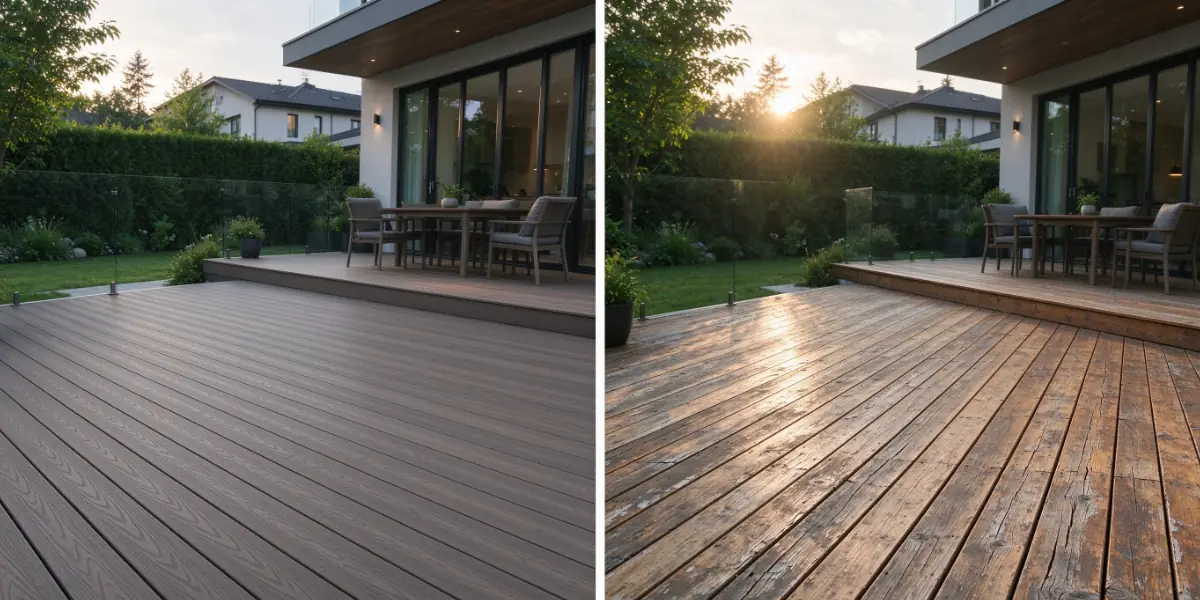
Maintenance is a big factor when comparing the long-term cost of WPC and solid wood decking. Wood needs regular care, while WPC takes much less effort to maintain.
- Solid wood decking: Wood can absorb moisture, develop scratches, and wear down over time. You may need to sand, refinish, or oil it regularly to keep it in good shape. Every 5–10 years, some wood decks may need a full sanding and refinishing, which can be expensive. Homes in damp climates or with pets may also face higher maintenance costs. If boards suffer serious water damage, you may need to replace them.
- WPC decking: WPC needs very little upkeep. You can usually clean it with water, a mild cleaner, or a quick sweep. You don’t need to sand, oil, or seal it regularly. Many homeowners choose WPC for outdoor decks because it saves time and reduces ongoing maintenance costs. It’s a popular option in places such as coastal Australia and the Pacific Northwest, where wet weather can make wood decking harder to maintain.For practical cleaning advice, see our guide on How to Clean WPC Decking.
Over the years, these savings can add up. While WPC may cost more upfront than some wood options, lower maintenance costs can make it a more cost-effective choice in the long run.
3. How Long Does WPC Decking Last Compared with Wood?
The lifespan of a deck affects how frequently it needs repairs or replacement.
High-quality WPC decking is designed for outdoor use and generally offers good resistance to moisture, rot, and insect damage. Natural wood can also last for many years, particularly when durable timber is installed correctly and maintained regularly.
However, the actual service life of either material depends on product quality, installation, drainage, sunlight exposure, and maintenance.
Consider these factors when comparing lifespan:
| Factor | WPC Decking | Wood Decking |
|---|---|---|
| Moisture resistance | Generally good | Depends on species and treatment |
| Rot resistance | Generally high | Varies by timber type |
| Insect resistance | Generally high | May require protection |
| Surface maintenance | Usually low | Often requires periodic treatment |
| Repair options | Depends on product and damage | Individual boards can often be refinished or replaced |
| Lifespan | Product and installation dependent | Species and maintenance dependent |
WPC decking does not automatically last longer than every type of wood. Properly selected and maintained hardwood can perform very well outdoors.
The key advantage of WPC is that it can reduce the amount of recurring maintenance needed to protect the deck.
4.Resale Value: Solid Wood Has the Edge
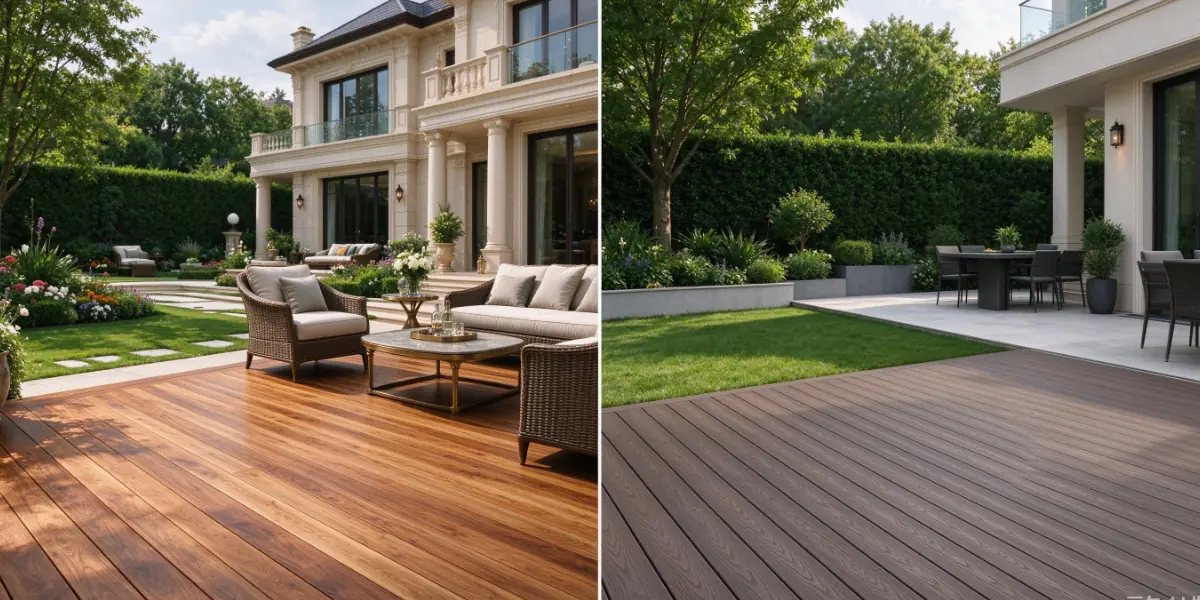
Flooring can influence how buyers view a home and how much they are willing to pay for it. In some property markets, solid wood flooring can be a selling point, especially in higher-end homes.
- Solid wood decking: Real wood often gives a home a more premium feel. Many buyers appreciate its natural grain, authentic texture, and timeless look. These features can help attract buyers and may support a higher resale value, depending on the property and local market.
- WPC decking: Modern WPC decking can look remarkably similar to natural wood. However, it is still a composite material. Buyers who value natural materials may prefer solid wood, particularly in the high-end property market. WPC appeals to a different set of buyers who want an attractive outdoor space with less maintenance.
5. Does Climate Affect the Long-Term Cost of WPC Decking?
Yes. Climate can significantly influence the maintenance requirements and service life of outdoor decking.
Rainy and Humid Areas
WPC decking is often a practical choice for humid environments because it generally resists rot better than untreated wood.
Natural timber can also perform well when the correct species, protective treatment, ventilation, and drainage are used.
Hot and Sunny Areas
Direct sunlight can heat both composite and natural wood decking. WPC boards may also experience thermal expansion, so correct installation gaps are important.
Darker surfaces generally absorb more solar heat. Before purchasing, compare the color, surface finish, and manufacturer’s guidance for your climate.
Read our article Does WPC Decking Get Hot? for more details about surface temperature and heat performance.
Coastal and Poolside Areas
Decking around swimming pools, coastal properties, and outdoor leisure facilities may face frequent moisture exposure and heavy use.
WPC decking can reduce some maintenance concerns associated with natural timber, but buyers should still check slip resistance, drainage, fastener compatibility, and product suitability for the intended environment.
Note: WPC often contains recycled wood fibers and plastic, supporting low-waste building trends. However, recycling it can be difficult. Solid wood is naturally biodegradable when untreated.
6. When Is Wood Decking Cheaper in the Long Run?
Although WPC decking can reduce maintenance costs, wood decking may still be more economical in certain situations.
Wood can be a good choice if:
- You have a limited upfront budget.
- Affordable, suitable timber is available locally.
- You prefer the natural grain and texture of real wood.
- You can complete routine maintenance yourself.
- The deck is intended for temporary or short-term use.
Some durable hardwoods can provide excellent outdoor performance when properly installed and maintained.
For a more detailed comparison of material properties and applications, explore WPC Decking vs Wood Decking: Which Is Better?.
Conclusion: Is WPC Decking Cheaper Than Wood Decking in the Long Run?
WPC decking can be cheaper over the long term when its reduced maintenance costs offset its higher initial price. Wood decking often remains the less expensive option upfront, especially when using budget-friendly timber.
If your priority is minimizing recurring staining, sealing, and refinishing, WPC decking may offer better overall value. If your initial budget is the main concern and you are comfortable maintaining natural timber, wood decking may be the right choice.
The best approach is to compare the total cost of ownership over your expected usage period instead of choosing solely by the initial price.
Looking for WPC Decking for Your Next Project?
Chili New Materials provides WPC decking solutions for residential, commercial, and outdoor landscaping applications.
Whether you are sourcing decking for a garden, patio, balcony, or larger construction project, selecting the right board structure, surface finish, and specifications can help balance cost and long-term performance.
Contact Chili New Materials to discuss your project requirements and explore suitable WPC decking solutions.