



If you’re renovating your home or doing a brand‑new fit‑out, one tough decision always pops up: picking the right flooring.
SPC flooring has become one of the most popular options on today’s market. Even so, not all SPC floors are made equal. With countless products to choose from, simply comparing prices and looks won’t cut it.
This guide breaks down exactly how to pick top‑quality SPC flooring, so you can make a confident buying decision.
Why Is SPC Flooring So Popular
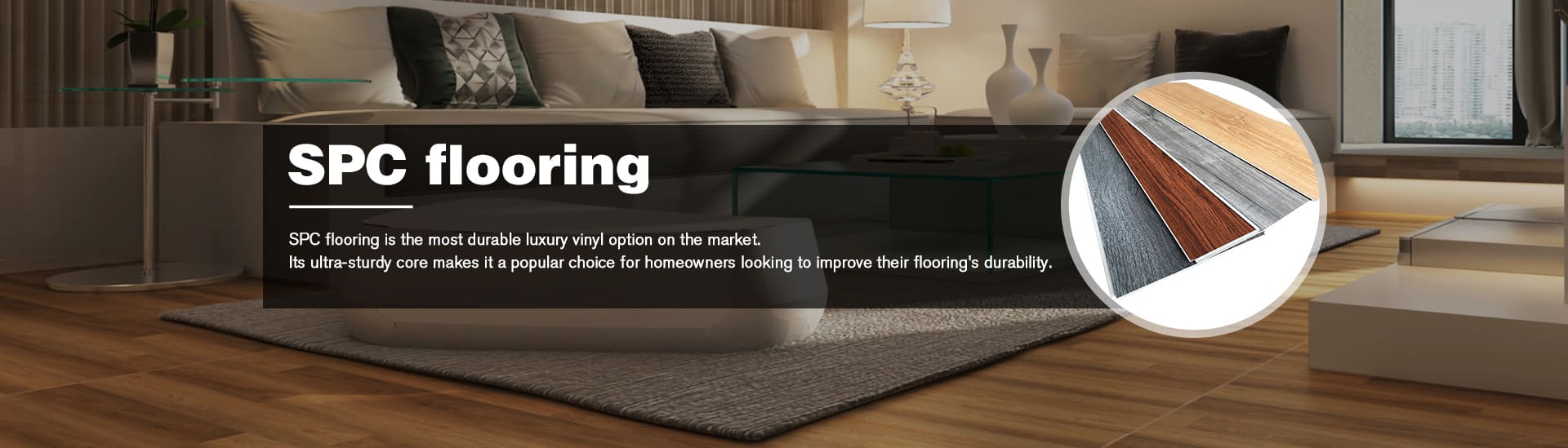
SPC flooring, also known as stone‑plastic flooring, is a composite board made from calcium powder and thermoplastic polymers through high‑temperature extrusion. It combines durability with attractive looks, earning great reviews for both residential and commercial projects.
First of all, it is fully waterproof and moisture‑resistant. It will not swell, curl or warp when exposed to water. You can safely install it in kitchens, bathrooms, basements and humid climates, and stay free from mold‑related troubles.
Its rigid structure delivers great wear, scratch and impact resistance. It resists marks well in busy spaces with kids, pets or heavy foot traffic, so it lasts much longer.
Thanks to its click‑lock system, installation is straightforward. Planks can go directly over your existing floor, which saves plenty of time and labor costs — an ideal pick for old‑house renovations.
Routine maintenance is effortless. Most stains wipe away easily with a damp cloth, and no special care is required.
On top of that, it features highly realistic wood and stone textures. It is formaldehyde‑free and much more affordable than solid hardwood. All these advantages together make SPC flooring an extremely popular flooring option.
1. Check the SPC Flooring Core
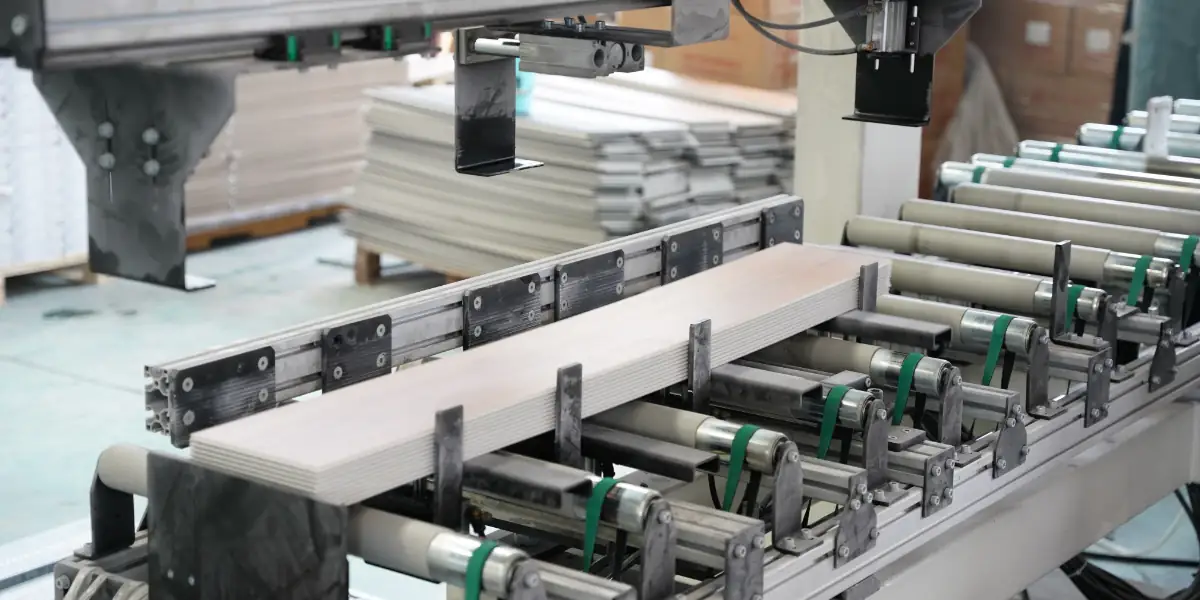
The rigid core is one of the most important parts of SPC flooring. A high-quality core should provide good strength, stability, and resistance to deformation.
A stable SPC core can help reduce problems such as warping, cracking, and joint separation.
2. Choose the Right SPC Flooring Thickness
SPC flooring thickness commonly ranges from around 3.5 mm to 7 mm or more.
For general residential applications, 4–5 mm SPC flooring may be sufficient. For commercial or high-traffic projects, buyers may prefer thicker products with stronger construction.
However, thicker does not always mean better. The core, wear layer, and locking system should also be considered.
3. Check the Wear Layer
The wear‑layer on SPC flooring shields the decorative surface from everyday scuffs and scratches.
Common available thicknesses are 0.20mm, 0.30mm, 0.50mm and 0.70mm.
This layer determines how long the clear top coat holds up under regular foot traffic. Generally, a thicker wear layer means a longer service life.
Standard wear‑layer thickness works perfectly for residential spaces. Thicker options are usually required for commercial areas and high‑traffic zones.
Quick tip: Wear‑layer thickness alone does not improve the floor’s dent, scratch or abrasion resistance.
4. Evaluate the Waterproof Performance
One major advantage of SPC flooring is its excellent water resistance. The rigid core does not absorb water like traditional wood flooring.
However, the finished floor also depends on the quality of the locking system and installation.
If SPC flooring will be used in kitchens, bathrooms, or other moisture-prone areas, pay close attention to both the flooring material and the joints.
5. Check the Locking System
A high-quality SPC flooring click-locking system delivers precise alignment and firm joint connection. The assembled seams should be virtually gap-free, with the maximum allowable gap limited to 0.1mm.
Before placing a bulk order, request samples and check whether the planks:
- Connect easily
- Have consistent dimensions
- Form tight joints
- Remain stable after installation
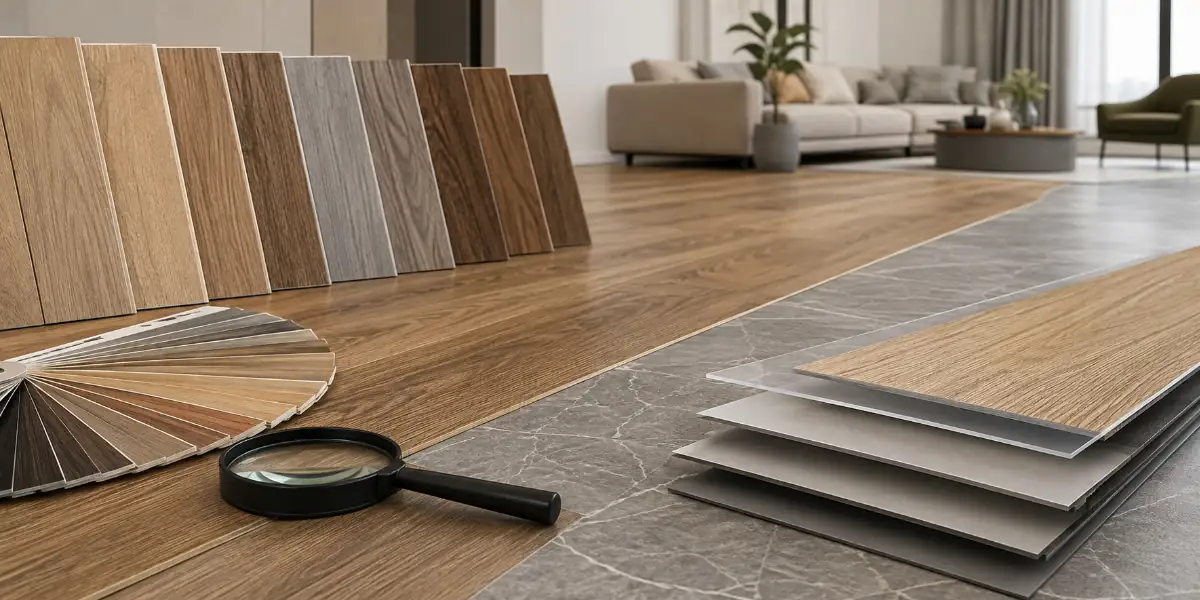
6. Consider Surface Design and Finish
When choosing a product, compare:
- Wood grain clarity
- Color consistency
- Embossing
- Surface texture
- Matte or glossy finish
7. Pick Trust‑worthy Suppliers
When shopping for SPC flooring, picking a reliable supplier matters a great deal. Most SPC flooring comes out of China and Vietnam. Vietnamese SPC flooring tends to carry lower price points, driven by factors such as labour costs, shipping and tariff conditions. On the other hand, Chinese‑made SPC flooring delivers superior quality, thanks to its well‑established product lines and more advanced manufacturing technologies.
1.Steer clear of local flooring shops with fancy showrooms full of samples yet zero actual stock. These are merely trading intermediaries with no in‑house production capacity. Always buy from dependable dealers. They can step in and sort out issues for you when something goes wrong with your order.
2.Get to know SPC flooring before placing your order. Avoid buying purely based on market hype. Figure out exactly what you need ahead of time, and you will land the best value‑for‑money option.
Quick tip: Heavy marketing does not automatically equal top‑tier product quality.
Buying Checklist
Before purchasing, compare these key factors:
| Factor | What to Check |
|---|---|
| Core | Density and stability |
| Thickness | Total thickness |
| Wear Layer | Wear resistance |
| Surface | Design and texture |
| Lock | Joint quality |
| Waterproofing | Core and joint performance |
| Certification | Target-market requirements |
| Supplier | Quality and production capacity |
Conclusion:
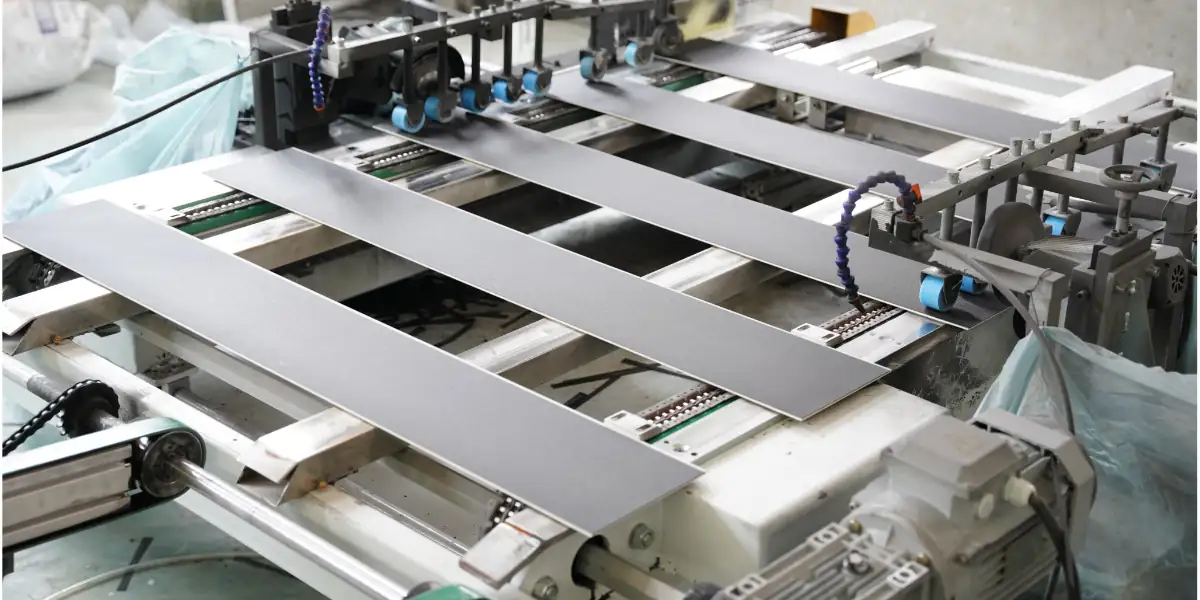
Choosing the best SPC flooring is about more than appearance or price. A reliable product should have a stable core, suitable thickness, durable wear layer, strong locking system, consistent surface finish, and excellent waterproof performance.
For buyers, importers, distributors, and project contractors, working with a reliable manufacturer is equally important. The right supplier can provide consistent quality, professional technical support, flexible customization, and stable production capacity for long-term projects.
At Chili New Materials, we provide high-quality SPC flooring designed for residential, commercial, and various flooring projects. From product specifications and surface designs to packaging and bulk orders, our team can help you find the right flooring solution for your market and application.
Looking for a reliable SPC flooring supplier?
Contact Chili New Materials today to discuss your requirements and request product samples or a quotation.