


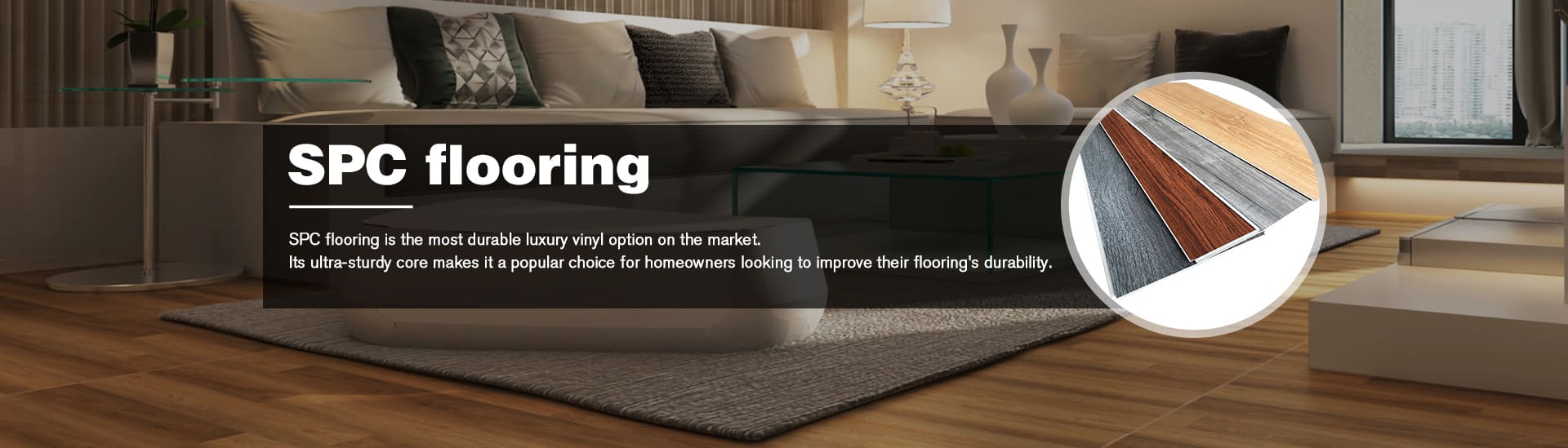

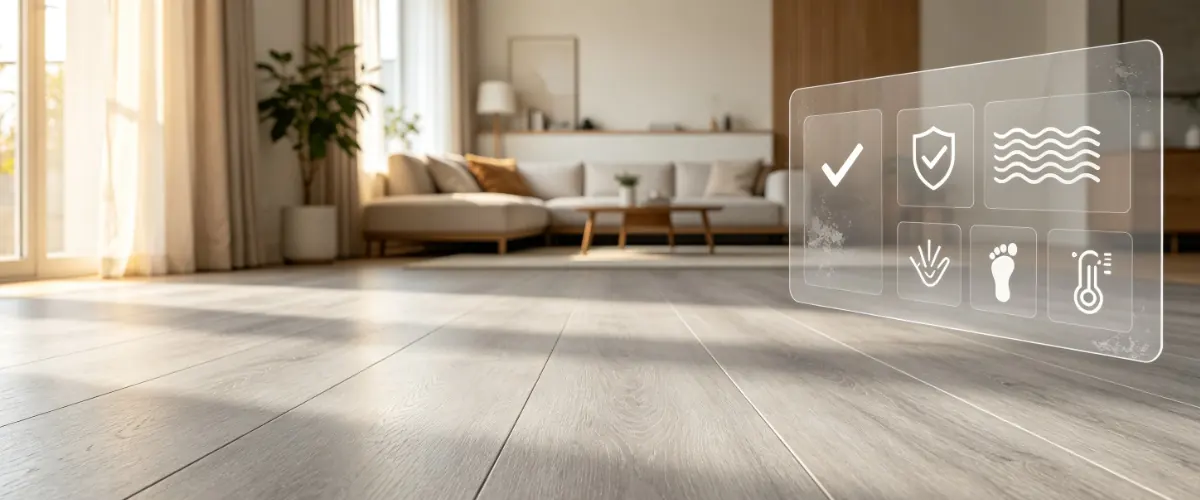
With realistic wood‑look or stone‑look finishes, solid waterproof performance, long‑lasting durability and a fairly straightforward installation process, SPC flooring has become a top‑pick option for residential homes, commercial spaces and renovation projects.
Just like every other flooring material, however, SPC flooring comes with its own set of pros and cons.
So… is SPC flooring a good choice? For plenty of use‑cases, the short answer is yes. Even so, picking the right product thickness and specifications to match your project environment makes all the difference.
In this guide, we break down the key advantages and drawbacks of SPC flooring, share critical points buyers need to watch out for, and help you figure out when SPC flooring is the perfect fit for your build.
What Is SPC Flooring?
SPC stands for Stone‑Plastic Composite, also known as Stone‑Polymer Composite.
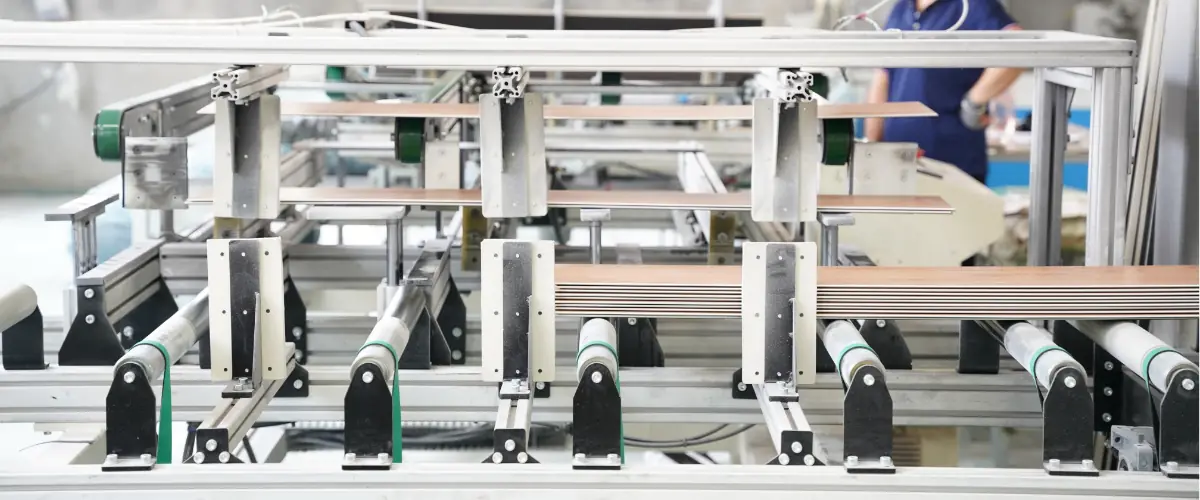
It is a rigid‑core vinyl flooring product, manufactured by compressing and fusing limestone powder, PVC resin and stabilizing additives under high heat and pressure. As a modern‑day flooring finish, it has skyrocketed in popularity over recent years.
A typical SPC flooring plank consists of several functional layers:
- UV coating – helps improve surface protection and stain resistance.
- Wear layer – protects the decorative surface against daily wear and scratches.
- Decorative film – creates wood, stone, or other visual patterns.
- SPC core – provides rigidity, dimensional stability, and water resistance.
- Backing or underlayment – helps improve acoustic performance and installation comfort.
The dense SPC core is one of the main differences between SPC flooring and conventional flexible vinyl flooring.
Main Pros of SPC Flooring
1. Excellent Waterproof Performance
One of SPC flooring’s biggest strengths lies in its waterproof core, which is 100 % water‑resistant and moisture‑proof. Unlike wood flooring, SPC does not contain any wood‑fiber core that swells when exposed to water. Its stone‑plastic composite core absorbs barely any water, so it will never rot or warp even after prolonged water exposure.
This quality makes SPC flooring an ideal fit for spaces with high moisture demands. It works perfectly for wet‑prone areas such as kitchens and balconies.
That said, buyers need to keep one key point in mind: a waterproof flooring board does not guarantee a fully waterproof flooring system overall. Proper installation, tight seams, transition strips and a stable subfloor are still extremely important.
2. High Durability and Wear Resistance
SPC flooring durability is another major reason buyers choose it.
The rigid stone-plastic core provides strong resistance to dents and deformation, while the transparent wear layer protects the decorative surface from everyday traffic.
For residential applications, SPC flooring can handle common sources of wear such as furniture movement, pets, children, and foot traffic. Commercial-grade products with thicker wear layers can be specified for higher-traffic environments.
When comparing products, buyers should not focus only on total plank thickness. The wear layer thickness is also an important specification because it directly affects surface protection and long-term performance.
3. Good Dimensional Stability
SPC flooring has a rigid core that provides good dimensional stability.
Compared with softer flooring materials, high-quality SPC products are less likely to deform under normal temperature and humidity changes. This makes them suitable for many renovation and commercial applications where stable flooring performance is required.
However, excessive heat, direct sunlight, and improper installation can still create problems. Buyers should always check the manufacturer’s recommended installation conditions and temperature limits.
4. Easy Click-Lock Installation
Many SPC flooring products use a click-lock installation system.
This allows individual planks to connect without traditional nails or extensive adhesive application. Floating installation can significantly simplify renovation projects and reduce installation time.
Another benefit is that damaged planks can sometimes be removed and replaced without replacing the entire floor, provided the click system and installation conditions allow it.
For distributors and project buyers, an efficient installation system can also reduce labor requirements and improve project efficiency.
5. Low Maintenance
SPC flooring is relatively easy to clean and maintain.
Routine maintenance generally involves removing dust and debris and cleaning the surface with an appropriate damp mop. Unlike solid wood flooring, SPC does not normally require sanding, refinishing, or regular sealing.
Its water-resistant surface also makes it easier to deal with everyday spills.
For commercial buildings, rental properties, offices, retail stores, and other high-use spaces, low maintenance can be an important advantage.
6. Wide Range of Designs
Modern SPC flooring can reproduce the appearance of natural wood, marble, stone, and other materials.
Wood-look SPC flooring is particularly popular because it provides a warm visual appearance while offering better moisture resistance than traditional wood-based flooring.
Manufacturers can produce different colors, patterns, textures, plank sizes, and surface finishes. Some premium products use embossed textures that align with the printed grain to create a more realistic appearance.
This gives architects, designers, distributors, and homeowners a wide range of design options.
7.Zero Formaldehyde, Eco‑Friendly Build
Top‑tier SPC flooring is made with 100 % virgin raw materials and contains zero adhesive. As a result, its formaldehyde emission level is extremely low. Once the installation is complete, there is barely any lingering odor in the room — making it a safe, family‑friendly choice for households with seniors and young children.
Cons of SPC Flooring
Although SPC flooring offers many benefits, it is not perfect. Understanding the disadvantages of SPC flooring can help buyers avoid choosing the wrong product.
1. Harder Underfoot
The rigid SPC core delivers great stability and excellent dent resistance. However, this hard structure also makes the floor firm to walk on, without the warm, springy give you get from solid hardwood.
Compared to WPC flooring, cork, carpet or some wood floors, SPC can feel less comfortable if you stand on it for long periods. Its surface also tends to feel cooler underfoot, especially in colder climates.
For bedrooms and living rooms where walking comfort is your top priority, we recommend choosing SPC planks fitted with an attached underlayment pad to soften the surface.
2. Potentially Higher Foot‑Traffic Noise
Thanks to its dense, rigid core structure, SPC flooring can sometimes produce a harder, hollow‑sounding noise when you walk across it.
This issue usually becomes far more noticeable if your subfloor is uneven or there is not enough sound‑dampening underlayment. High‑quality padding can greatly improve noise reduction. Still, shoppers should not assume every sound‑absorbing product delivers the same level of performance.
Quick tip: If you own medium‑to‑large, heavy‑weight dogs, expect to hear extra noise from their footsteps.
3. Requires a Properly Prepared Subfloor
One major downside of rigid SPC flooring is that it demands a well‑prepared, perfectly flat subfloor.
If your floor surface is uneven, with a height gap over 3 mm across a 2‑meter straightedge, hollow‑sounding noises will occur when you step on the planks.
Since SPC boards are completely rigid, severe unevenness underneath puts extra stress on its click‑lock system. This can lead to shifting, cracks or separated seams over time.
Subfloor preparation should never be skipped during installation. Many fitting guides recommend pouring self‑leveling compound to smooth out the surface before laying SPC flooring.
For large‑scale commercial projects, contractors need to inspect the underlying base carefully rather than judging subfloor quality only by how the existing floor looks.
4. Direct Heat and Extreme Conditions Can Be a Concern
SPC flooring keeps stable dimensions under regular‑use conditions, yet that does not mean it can stand up to extreme heat.
SPC flooring can only withstand temperatures up to 27°C. Once temperatures rise above this threshold, the planks may start to warp. It is not recommended for installation beside large windows or fireplaces. Long‑term, full exposure to harsh direct sunlight, excessive heat or poor installation practices can lead to expansion and shifting.
If your project features big glass windows with heavy sun exposure or underfloor heating, buyers should always check the manufacturer’s technical specifications before placing an order.
Selecting the right flooring product and following proper installation procedures matters even more for commercial projects.
5. Cannot Be Sanded and Refinished Like Solid Wood
Solid hardwood flooring can often be sanded and refinished several times during its service life.
SPC flooring does not work this way.
If the surface is seriously damaged, the usual solution is to replace the affected plank rather than sand and refinish it.
This makes it especially important for buyers to purchase enough spare material from the same production batch. Keeping extra planks can make future repairs much easier.
6. Quality Varies Significantly Between Products
Not all SPC flooring is manufactured to the same standard.
Two products may both be advertised as “SPC flooring” but have very different performance characteristics.
Important specifications can include:
- Total thickness
- SPC core thickness
- Wear layer thickness
- Surface treatment
- Density
- Click-lock quality
- Underlayment type
- Formaldehyde or VOC performance
- Slip resistance
- Fire performance
- Dimensional stability
Therefore, the lowest price is not always the best purchasing decision.
For importers and distributors, requesting product samples and technical data before placing a large order can help reduce sourcing risks.
Quick tip: SPC flooring supports many creative laying patterns. Popular picks are straight‑lay, herringbone, and triple‑square styles.
SPC Flooring Pros and Cons at a Glance
| Feature | Advantages | Potential Disadvantages |
|---|---|---|
| Waterproofing | Excellent moisture resistance | Installation joints still need attention |
| Durability | Good resistance to dents and daily wear | Surface can still be scratched |
| Stability | Rigid and dimensionally stable | Requires a suitable subfloor |
| Installation | Click-lock systems can simplify installation | Poor installation can damage joints |
| Maintenance | Easy to clean | Cannot be sanded and refinished |
| Comfort | Stable and firm | Harder and potentially colder underfoot |
| Design | Many wood and stone patterns | Low-quality products may look artificial |
| Cost | Competitive for many projects | Higher specifications cost more |
How to Choose the Right SPC Flooring
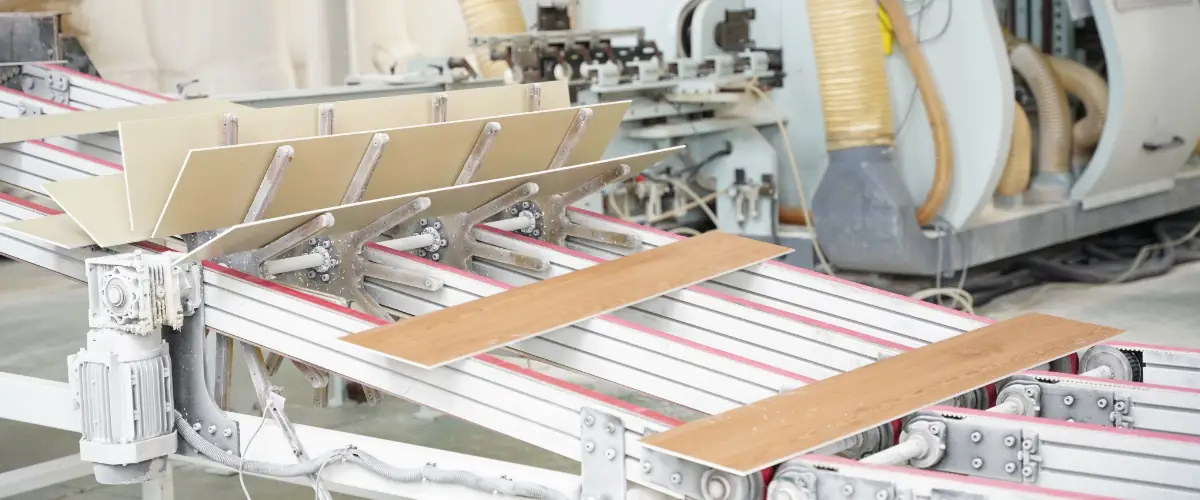
When purchasing SPC flooring, buyers should look beyond appearance and price.
1. Check the Wear Layer
The wear layer is one of the key specifications affecting surface durability. A thicker and appropriately specified wear layer is generally preferable for high-traffic applications.
2. Evaluate the SPC Core
Ask about the core composition, density, dimensional stability, and quality-control standards.
A strong and stable core is essential for long-term performance.
Watch out when telling virgin‑material boards apart from recycled‑material ones. Check the cross‑section of the flooring plank. A clean, bright cut free of specks and impurities usually means virgin raw materials were used.
Dark discoloration or lots of visible particles, on the other hand, is a strong sign of recycled material. Flooring made this way tends to be less eco‑friendly and far more likely to warp over time.
3. Check the Click-Lock System
A reliable locking system helps maintain tight joints during installation and daily use.
For large projects, suppliers should provide samples so buyers can test the locking strength and installation process.
4. Consider Underlayment
Some SPC flooring products include pre-attached IXPE, EVA, or other backing layers.
The backing can influence walking comfort, acoustic performance, and installation requirements.
5.Keep a close eye on installation detail
Leave an 8‑10 mm expansion gap along every wall edge to stop the flooring from buckling due to thermal expansion and contraction. Tap planks firmly together with a rubber mallet during joint assembly, so no gaps are left between boards.
Whenever possible, hire installers supplied by your flooring supplier who have hands‑on experience fitting SPC flooring. Avoid bringing in random workers who only install hardwood floors.
Is SPC Flooring a Good Choice?
So, is SPC flooring good?
For many residential and commercial applications, SPC flooring is a practical flooring solution because it combines waterproof performance, durability, dimensional stability, easy maintenance, attractive designs, and convenient installation.
However, its disadvantages should not be overlooked. SPC flooring is relatively hard underfoot, can produce more walking noise than softer flooring, requires a properly prepared subfloor, and cannot be refinished like solid hardwood.
For buyers, the key is not simply asking whether SPC flooring is good. The better question is:
Is the SPC flooring specification suitable for my application?
A high-quality SPC floor with the right wear layer, rigid core, reliable click-lock system, suitable backing, and proper installation can deliver excellent long-term performance.
Final Thoughts
Understanding the SPC flooring pros and cons is essential before making a purchasing decision.
The biggest advantages of SPC flooring are its waterproof core, durability, dimensional stability, low maintenance, attractive appearance, and relatively easy installation. Its main disadvantages include harder underfoot comfort, potential walking noise, sensitivity to poor subfloor preparation, and limited repair options compared with refinishing natural wood.
For importers, distributors, contractors, and project buyers, product specifications and supplier quality should be carefully evaluated before placing an order.
If you are sourcing SPC flooring for residential or commercial projects, choosing a reliable manufacturer and requesting detailed specifications, samples, and quality information can help you select the right product for your market.
Get Quality SPC Flooring
Looking for reliable SPC flooring for your project? Contact Linyi Chili New Materials for quality products, flexible specifications, and competitive solutions.
Contact us today for more details and a quote.